
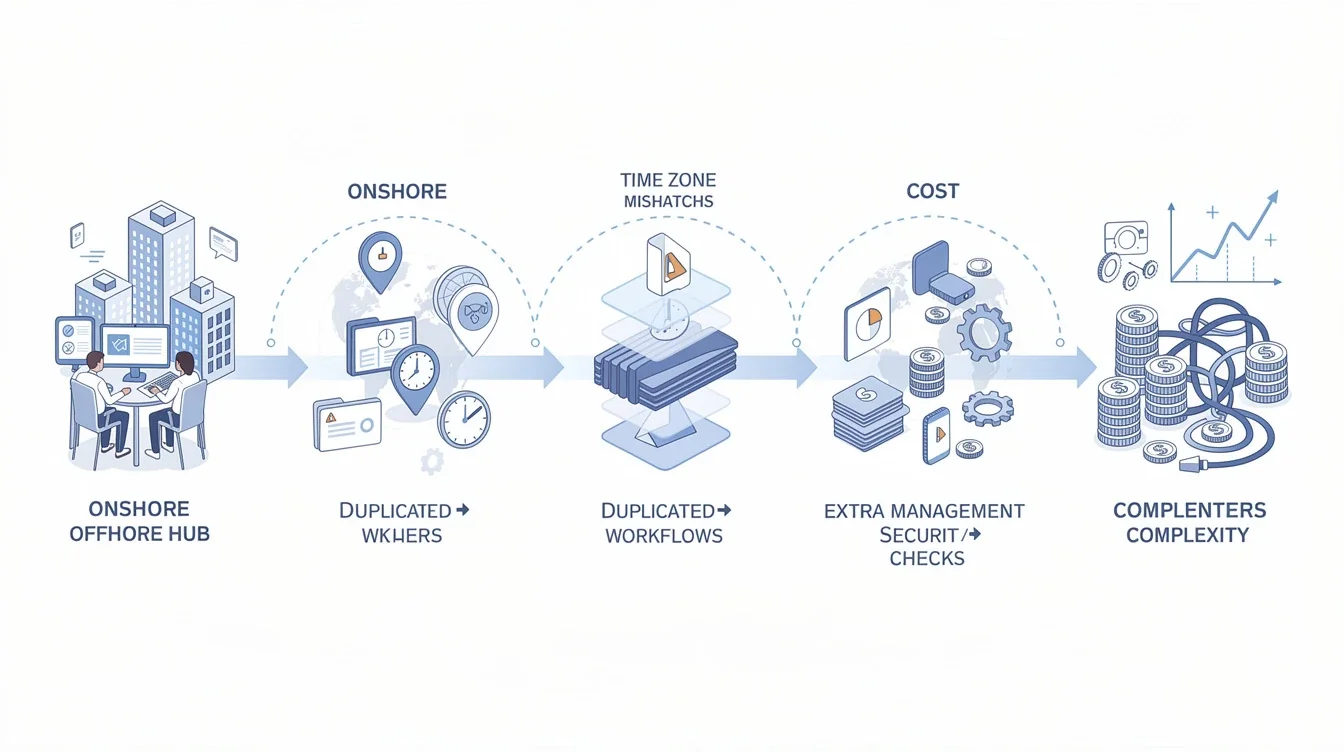
Hybrid offshore teams have become a staple for companies looking to scale quickly and cost-effectively. At Digital Minds, we’ve seen firsthand how blending US-based leadership with talented overseas developers can accelerate MVP launches and drive growth across startups, SMBs, and enterprise clients alike. But beneath the surface-level promise of efficiency and savings, there are operational costs that aren’t always obvious at the outset. Understanding these hidden expenses isn’t just smart — it’s essential for making offshore models work for your business in the long run.
Communication Gaps and Time Zone Friction

One of the first challenges you’ll notice with hybrid offshore teams is the strain on communication. Sure, tools like Slack and Zoom make it easier to connect, but real-time collaboration often takes a hit when your team spans multiple time zones. A 12-hour difference can mean waiting overnight for feedback or clarification, slowing down sprints or delaying critical decisions.
Even when everyone’s online, cultural nuances and language barriers can create misunderstandings. What seems like a simple request in the US might be interpreted differently by an overseas developer, leading to rework or missed expectations. These glitches add up, requiring more frequent check-ins, documentation, and follow-ups than an all-local team might need.
Pro tip: Set clear communication protocols early — daily standups, written specs, and regular retros can bridge the time and culture divide.
Onboarding, Training, and Knowledge Transfer
Getting new team members up to speed always comes with a cost, but hybrid teams multiply this expense. Offshore engineers may need extra onboarding to understand your internal tools, processes, and customer expectations. If your product is domain-specific or heavily regulated, knowledge transfer gets even more complex — and expensive.
Continuous training becomes non-negotiable. Changes in codebase, infrastructure, or security protocols mean you’ll need to invest in documentation, workshops, and mentorship across time zones. Overlooking this can result in inconsistent quality, security risks, or tech debt that drags down future velocity.
Pro tip: Invest in robust documentation and a buddy system to streamline onboarding and foster long-term knowledge sharing across continents.
Quality Assurance and Oversight
When you’re working with teams abroad, quality assurance demands extra vigilance. The cost of catching bugs late or realizing requirements were misunderstood isn’t just technical debt — it’s lost time, budget overruns, and, in some cases, reputational damage. You’ll need processes and tools that ensure code quality, from automated testing to code reviews that can accommodate asynchronous feedback cycles.
There’s also the matter of project oversight. US-based product owners or managers often find themselves working odd hours to sync with overseas teams or reviewing work outside standard business hours. This hidden labor can lead to burnout and ultimately reduces the “savings” of offshore work if not managed carefully.
Pro tip: Implement a layered QA approach with automated and manual checks, and schedule regular cross-team demos to ensure everyone stays aligned.
Security, Compliance, and Data Privacy
Security and compliance are frequently underestimated operational costs, especially for companies in healthcare, fintech, or any sector handling sensitive user data. Hybrid offshore models can introduce vulnerabilities — whether it’s through unfamiliarity with US compliance standards or less mature security practices at offshore locations.
Mitigating these risks isn’t free. You’ll need to budget for secure development environments, VPNs, access controls, and regular audits. Training overseas staff on privacy protocols and compliance requirements is essential, as is factoring in the cost of potential breaches or compliance lapses.
Pro tip: Regularly review and update access controls, and provide ongoing security training to every team member, regardless of their location.
Retention, Engagement, and Team Culture
It’s easy to overlook the operational costs tied to team morale and retention. Hybrid offshore teams can feel disconnected from your core mission or company culture, which impacts engagement and increases turnover. The cost of replacing a developer — recruiting, onboarding, and training — quickly adds up, especially if high churn becomes the norm.
Building a cohesive culture across borders takes intentional effort: virtual team-building, recognition programs, and inclusive decision-making. These investments pay off in loyalty and productivity but require ongoing attention and resources.
Pro tip: Schedule regular all-hands meetings and celebrate wins across locations to make every team member feel valued and connected.
Legal, Tax, and Administrative Overheads
Finally, there are the hidden costs of managing legal, tax, and administrative matters across jurisdictions. From labor laws to contractor agreements and tax compliance, each country brings its own regulatory maze. Mistakes or oversights can result in fines, legal disputes, or unexpected tax liabilities — all of which eat into your projected savings.
You may need specialized legal counsel or payroll services to ensure compliance and smooth operations. While these costs are often dwarfed by direct staffing expenses, they’re rarely factored into initial budgets and can surprise even seasoned operators.
Pro tip: Work with advisors who specialize in international employment law and cross-border payroll to avoid costly compliance slip-ups.
Conclusion
Hybrid offshore teams are a powerful lever for scaling digital products and maximizing your development budget. At Digital Minds, we see the best outcomes when clients enter these arrangements with eyes wide open to the hidden operational costs. By planning for communication overhead, robust onboarding, rigorous QA, security investments, cultural alignment, and legal compliance, you’ll set your team up for sustainable growth — not just short-term savings. With the right strategies and support, hybrid models can deliver on their promise of speed, scale, and value.