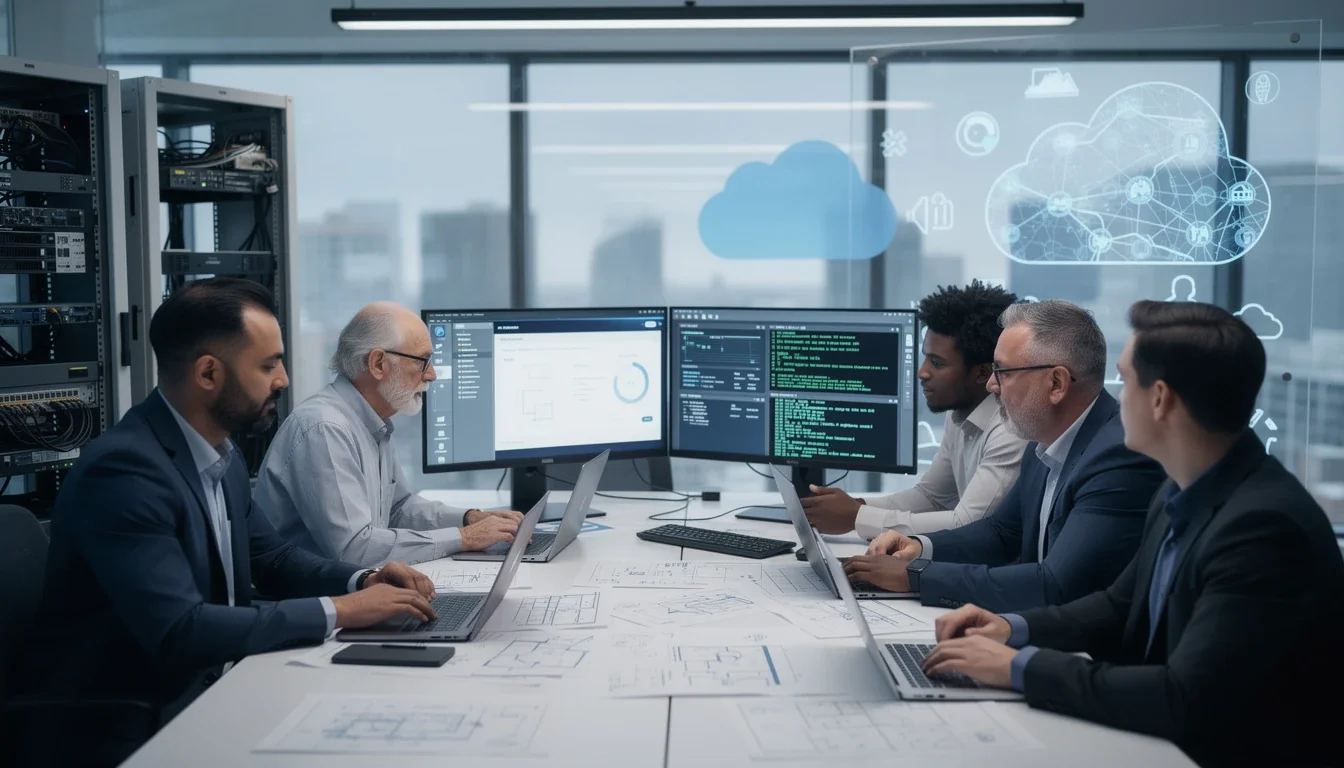
For many established businesses, legacy software is the backbone of daily operations. These tried-and-true systems—often built decades ago—run everything from inventory management to payroll. But as artificial intelligence (AI) rapidly becomes the gold standard for innovation and efficiency, Digital Minds regularly hears a pressing question: How do you integrate cutting-edge AI with aging legacy systems? The answer isn’t simple. Integrating AI into legacy environments unlocks transformative value, but it comes with a unique set of challenges demanding careful planning, smart resource allocation, and a practical approach.
Let’s explore the biggest hurdles teams encounter during AI integration with legacy software, and how growth-focused organizations like yours can navigate this tricky terrain.
The Complexities of Legacy Architecture

Legacy systems weren’t built with AI in mind. Many predate cloud computing, modern APIs, and machine learning frameworks. Their architecture often features monolithic codebases, outdated languages, and limited documentation. This makes integration with modern AI solutions a technical headache.
Many legacy platforms lack standardized interfaces. You’ll find custom protocols, proprietary data formats, and even home-grown scripting languages that modern AI tools just don’t understand. Without reliable APIs, connecting AI modules to core business logic becomes a painstaking process.
Another roadblock? Platform rigidity. Legacy systems are notoriously brittle—small changes can trigger a cascade of unintended side effects, risking downtime and costly failures. This risk-averse environment slows down experimentation, which is the lifeblood of successful AI adoption.
Pro tip: Begin your integration journey with a thorough system audit. Map out dependencies, identify integration points, and document undocumented behaviors. This upfront investment saves headaches down the road.
Data Quality and Accessibility Issues
AI thrives on data. But legacy systems often store information in silos, locked away in formats that modern tools can’t easily access. You might be dealing with flat files, mainframe databases, or even paper records digitized in non-standard ways.
The data itself is another challenge. Years of manual entry, inconsistent standards, and outdated taxonomies mean you’re often working with noisy, incomplete, or duplicated information. Training an AI model on poor-quality data guarantees poor outcomes.
Extracting and prepping this data for AI is both art and science. ETL (Extract, Transform, Load) processes must be carefully designed to clean, normalize, and enrich legacy datasets. In some cases, you’ll need to supplement or cross-reference with external data sources to fill in gaps.
Pro tip: Don’t underestimate the value of a dedicated data engineering team. Their expertise in wrangling messy legacy data will accelerate your AI integration and boost the reliability of your models.
Integration Costs and Resource Constraints
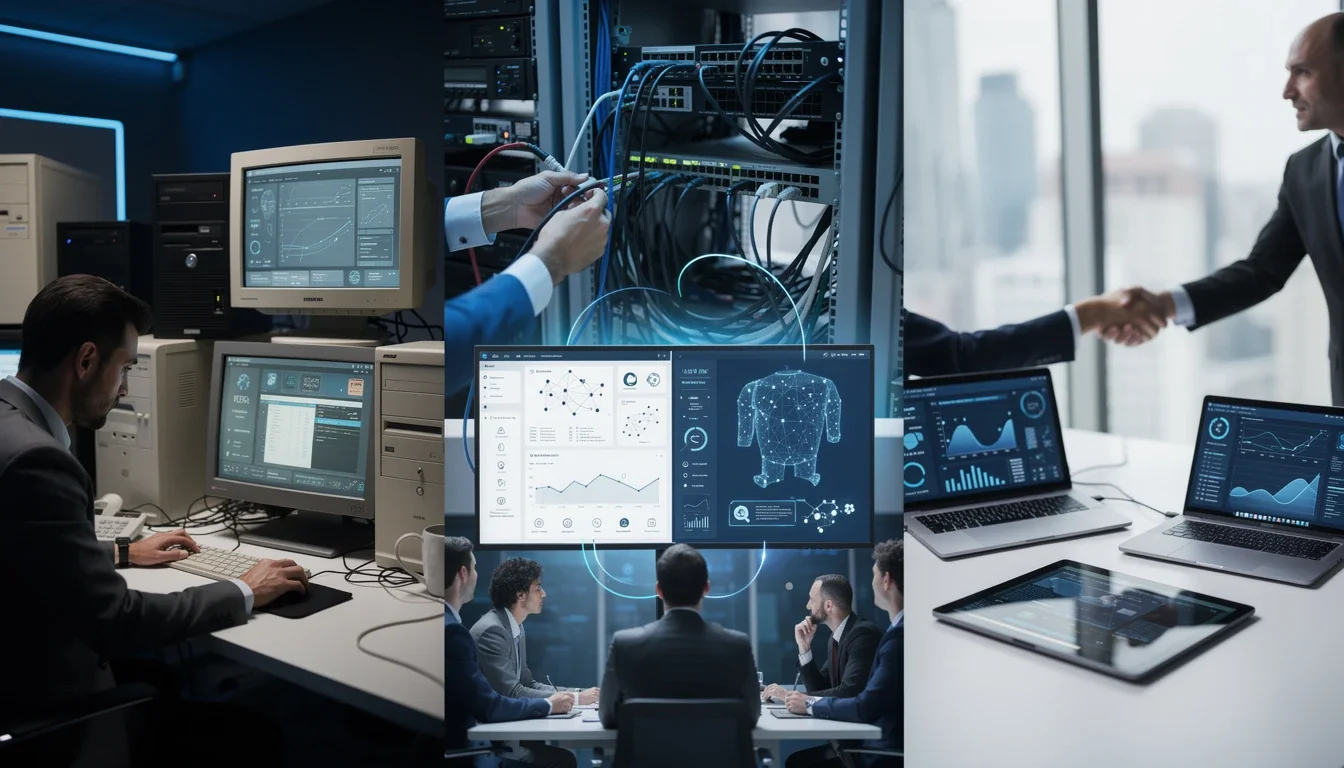
Cost is always top-of-mind for growing organizations. Integrating AI with legacy software is rarely a cheap, one-off project. You’re looking at significant investments in architecture redesign, data pipeline creation, testing environments, and ongoing maintenance.
Many businesses lack in-house AI expertise—especially when it comes to integrating new tech with old systems. Hiring or upskilling talent can be expensive and slow. Even when you have the right people, overseas or distributed teams add layers of coordination complexity.
Budget overruns are common due to unforeseen complications—hidden technical debt, missing documentation, or the need for custom connectors. And every dollar spent on AI integration is a dollar not spent on other growth initiatives.
Pro tip: Take a Minimum Viable Product (MVP) approach. Pilot your AI integration on a single process or department before scaling organization-wide. This manages costs, keeps risks contained, and provides valuable lessons for future rollouts.
Security and Compliance Concerns
Legacy systems often predate modern security standards. Integrating AI introduces new attack surfaces—data pipelines, APIs, and third-party services all increase your exposure. If your legacy stack handles sensitive data, compliance with regulations like HIPAA or GDPR gets even trickier.
Many older platforms lack robust authentication, encryption, or audit trails. Simply connecting them to AI-powered services can inadvertently expose confidential information or create compliance gaps. In regulated industries, this isn’t just a technical problem—it’s a legal and reputational risk.
Security reviews and penetration testing become essential steps in the integration process. You’ll need to revisit access controls, update anomaly detection protocols, and ensure end-to-end encryption across new data flows.
Pro tip: Involve your security and compliance teams from day one. Their input will help you identify risks early, design safer architectures, and avoid costly regulatory surprises.
Change Management and Organizational Buy-In
AI integration isn’t just a technical upgrade—it’s a cultural shift. Legacy software often sits at the heart of established workflows. Users have developed routines, workarounds, and tribal knowledge over years or even decades.
Introducing AI can spark resistance. Employees may worry about job displacement, loss of control, or steep learning curves. Business leaders may be skeptical about ROI, or reluctant to disrupt mission-critical operations.
Successful integration depends as much on people as it does on code. Transparent communication, hands-on training, and clear demonstrations of AI’s value are essential. Without buy-in from both technical teams and business stakeholders, even the most elegant integration can stall.
Pro tip: Identify internal champions—team members excited about AI’s potential—and empower them to lead by example. Their enthusiasm will help drive adoption and ease the transition for everyone else.
Future-Proofing for Continued Innovation
Integrating AI with legacy software is rarely a “one and done” deal. Technology will continue to evolve, and so will your business needs. If your AI integration is too tightly coupled to outdated systems, you’ll find yourself right back at square one during the next upgrade cycle.
Smart organizations take a forward-looking approach. That means building modular, loosely-coupled integration layers. Adopt open standards and scalable architectures that make it easier to plug in new AI tools—or swap out old systems—as your needs change.
Don’t forget about ongoing support and maintenance. AI models need regular retraining and monitoring. Integration points must be tested as both legacy and AI components evolve. A robust change management process ensures you’re ready for whatever comes next.
Pro tip: Document every integration decision, assumption, and workaround. Future teams (including your own) will thank you when it’s time for the next upgrade or migration.
Related Articles
Conclusion
Integrating AI with legacy software is challenging—but it’s also an opportunity. By understanding the complexities of legacy architecture, tackling data quality issues, managing costs, prioritizing security, and investing in change management, forward-thinking businesses can turn obstacles into competitive advantages.
At Digital Minds, we believe that with the right blend of practical strategy and technical expertise, you can modernize legacy systems and unlock the full potential of AI—without breaking the bank or derailing day-to-day operations. The path isn’t always easy, but the results are worth the effort: smarter decision-making, more efficient workflows, and a future-proof foundation for growth.