
Every SaaS company dreams of delivering fast, innovative features without sacrificing quality or ballooning costs. As competition ramps up and customer expectations rise, scaling your development team—especially in a hybrid model—often becomes the make-or-break factor. At Digital Minds, we’ve helped startups, SMBs, and enterprises navigate the complexity of hybrid teams, blending US-based leadership with reliable overseas talent. The result? Scalable, cost-effective SaaS solutions that keep you ahead of the curve. But what does it really take to scale hybrid development teams for SaaS? Let’s dig in.
Why Hybrid Teams Work for SaaS

Hybrid development teams—combinations of onshore and offshore talent—have become a secret weapon for SaaS organizations. They allow you to tap into global expertise, speed up delivery, and optimize costs. But it’s not just about saving money. Hybrid teams bring diverse perspectives and skills, enabling you to build products that truly resonate with a global audience.
A US-based product owner or tech lead, for example, can work closely with clients and stakeholders, ensuring strategic alignment and clear requirements. Meanwhile, overseas engineers focus on rapid development and testing, often working around the clock thanks to time zone differences. This blend offers the flexibility to ramp up or down as your SaaS grows and pivots.
Pro tip: Start small. Pilot your hybrid approach with one dedicated team before scaling up. This helps you iron out communication, tooling, and process quirks early.
Building a Strong Foundation
Scaling doesn’t just mean adding more engineers. It’s about setting up the right processes, culture, and infrastructure so your hybrid team can move quickly without chaos. Begin with clear roles and responsibilities. Make sure everyone understands who owns what, from product management to QA.
Documentation is your friend. Hybrid teams thrive when product specs, user stories, and workflows are well documented and easily accessible. Invest in onboarding materials and knowledge bases so new team members—wherever they’re located—can get up to speed fast.
Communication is another pillar. Set up regular cadences: daily standups, weekly retros, and transparent sprint planning. Use collaboration tools that work across time zones and languages, like Slack, Jira, and Miro.
Pro tip: Establish “core hours” where all team members overlap for meetings and problem-solving. Even a two-hour window can make a huge difference in alignment.
Hiring and Integrating Overseas Talent
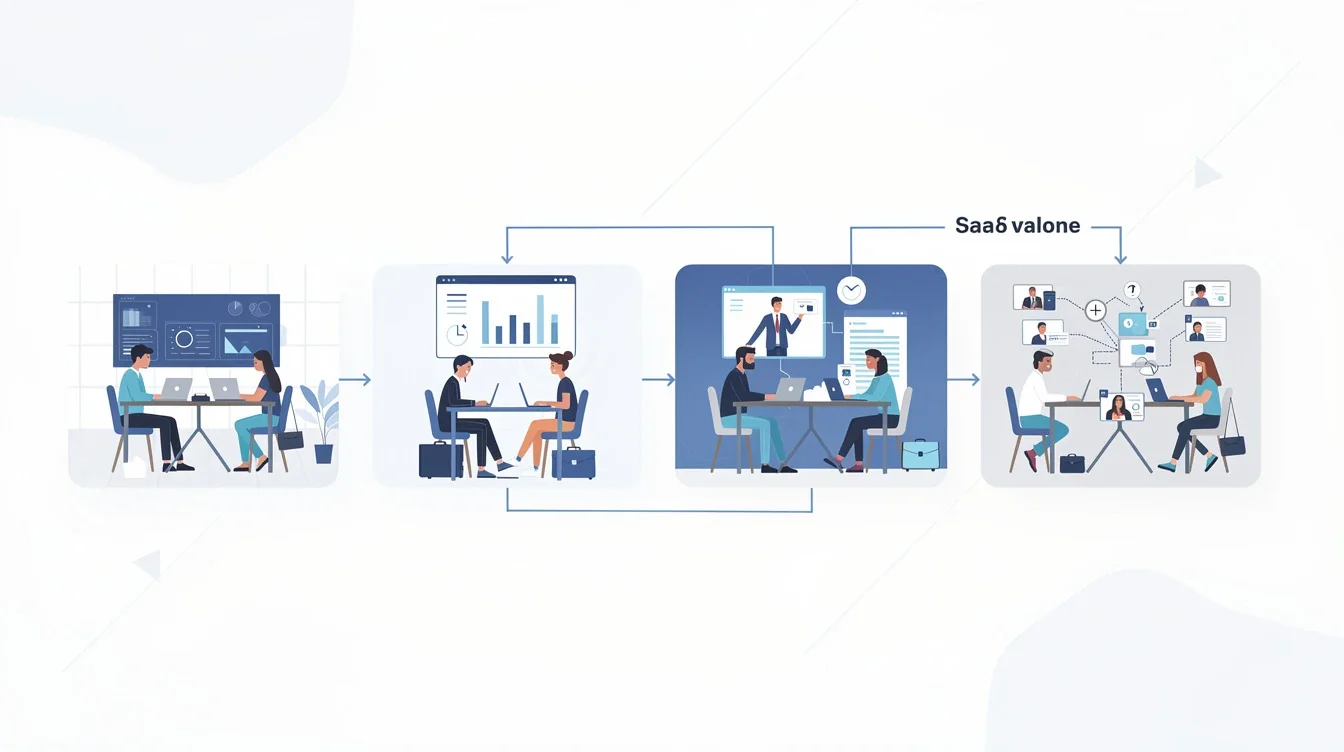
The heart of any hybrid team is its people. Hiring overseas talent isn’t just about finding the lowest rates; it’s about finding engineers who align with your values, work ethic, and technical needs. At Digital Minds, we recommend partnering with proven overseas agencies or using vetted freelance platforms for your first hires. Look for candidates with strong English skills, a track record of remote work, and cultural fit.
Onboarding is where many teams stumble. Don’t just throw your new hires into the deep end. Create a tailored onboarding plan that covers your tech stack, coding standards, and product vision. Assign a US-based mentor to each overseas engineer for the first month—someone they can turn to with questions, big or small.
Integration is ongoing. Celebrate milestones to gether, run virtual team-building sessions, and encourage cross-team code reviews. The more your overseas engineers feel like part of the core team, the better their work will be.
Pro tip: Record all-hands meetings and training sessions for asynchronous viewing—your overseas team will appreciate the flexibility.
Managing Time Zones and Collaboration
Time zones can be both a blessing and a curse. On one hand, hybrid teams can deliver features around the clock. On the other, delayed responses and coordination hiccups can slow you down—or worse, lead to misunderstandings.
The key is to be intentional. Group tasks by time zone: have your US team focus on requirements gathering, code reviews, and client communications, while your overseas team tackles implementation and QA during their working hours. Plan hand-offs carefully at the end of each shift, using clear status updates and shared documentation.
Leverage async communication for non-urgent discussions—think Slack threads or recorded Loom videos. But don’t underestimate the power of live conversations for tackling blockers and building rapport. Schedule regular check-ins that work for everyone, even if it means someone occasionally joins early or late.
Pro tip: Rotate meeting times to share the inconvenience of off-hour calls. It builds empathy and shows respect for everyone’s time.
Quality Assurance and Process Scaling
As your hybrid team grows, so does the risk of defects and technical debt slipping through the cracks. Scaling successfully means baking quality into your process, not just tacking it on at the end. Invest in automated testing from the start—unit, integration, and end-to-end tests should be part of every sprint.
Use code reviews as a learning opportunity, not just a gatekeeping tool. Encourage US-based leads to review overseas code (and vice versa), so knowledge flows in both directions. Standardize your development workflows with CI/CD pipelines, consistent branching strategies, and clear definitions of done.
Don’t forget about process retrospectives. Set aside time each month to review what’s working and what’s not, then iterate. Hybrid teams need to be extra vigilant about process drift as they scale.
Pro tip: Assign “quality champions” in each geography to own and evangelize best practices. This spreads responsibility and keeps quality top of mind.
Controlling Costs While Scaling
Cost control is one of the main reasons SaaS businesses turn to hybrid teams, but scaling can introduce hidden expenses if you’re not careful. Travel, onboarding time, tool licenses, and management overhead can add up. The trick is to stay proactive.
Track productivity and spending closely—use simple KPIs like sprint velocity, bug rates, and feature delivery times. If you notice diminishing returns as you add team members, pause and diagnose the bottleneck. Sometimes it’s a process issue, not a staffing one.
Negotiate transparent pricing with your overseas partners. Fixed-price sprints or monthly retainers can help you avoid surprise bills. And remember, it’s often more cost-effective to invest in a smaller, higher-quality overseas team than to chase the lowest rates.
Pro tip: Set a quarterly budget for scaling initiatives, including training and process improvements—not just headcount. This keeps your team healthy and your costs predictable.
Conclusion
Scaling hybrid development teams for SaaS isn’t just a hiring challenge—it’s a strategic opportunity. By blending US-based leadership with reliable overseas talent, you can accelerate delivery, control costs, and tap into a world of expertise. The key is to build a strong foundation, invest in communication and process, and keep quality at the center as you grow. At Digital Minds, we’ve seen firsthand how the right hybrid approach can turn ambitious SaaS ideas into scalable, sustainable businesses. Ready to scale smart and win big? Your hybrid team is waiting.