
Artificial intelligence is no longer just a buzzword—it's a business imperative. For enterprises aiming to outpace the competition and drive significant revenue growth, AI model training has become a cornerstone strategy. But as with any transformative technology, the path from concept to cash is paved with critical decisions, technical hurdles, and strategic considerations. At Digital Minds, we've seen firsthand how custom AI solutions, built and scaled the right way, can turn data into dollars—without breaking the bank or slowing down your go-to-market timeline.
Why AI Model Training Matters for Revenue

AI model training is about more than just algorithms and data—it’s about unlocking value from the very core of your business operations. Enterprises today generate massive amounts of data, from customer interactions to supply chain events. The real opportunity lies in using that data to train models that predict, optimize, and automate decisions that directly impact revenue.
For example, AI-driven recommendation engines can boost average order value in e-commerce. Predictive models can reduce churn in SaaS products. Automated pricing engines can help manufacturers maximize margins in real time. The possibilities are broad, but the common thread is clear: well-trained models translate to smarter business decisions and measurable revenue gains.
Pro tip:Before diving into model training, map out the exact revenue levers you want to influence—be it conversion rates, retention, cross-sell, or operational efficiency. This keeps your AI efforts laser-focused and ROI-driven.
Laying the Groundwork: Data and Infrastructure
The quality of your AI model is only as good as the data you feed it. Enterprises often face the challenge of siloed systems, messy or incomplete records, and ever-changing data streams. Building a robust data pipeline is the essential first step.
Start by auditing your existing data landscape. Identify sources that are most relevant to your revenue goals—think CRM systems, transaction logs, user activity, and third-party datasets. Next, invest in cleaning and standardizing this data. Consistency and accuracy are non-negotiable for effective model training.
Infrastructure is equally critical. Training enterprise-grade AI models often requires scalable computing resources, which can be expensive if not managed wisely. Cloud platforms offer flexibility, but costs can spiral. Hybrid or overseas infrastructure solutions can help manage expenses, especially for large-scale or ongoing training needs.
Pro tip: Consider starting with a Minimum Viable Dataset (MVD) that represents your key revenue-driving scenarios. This lets you validate model impact early without massive upfront investment.
Choosing the Right Model and Approach
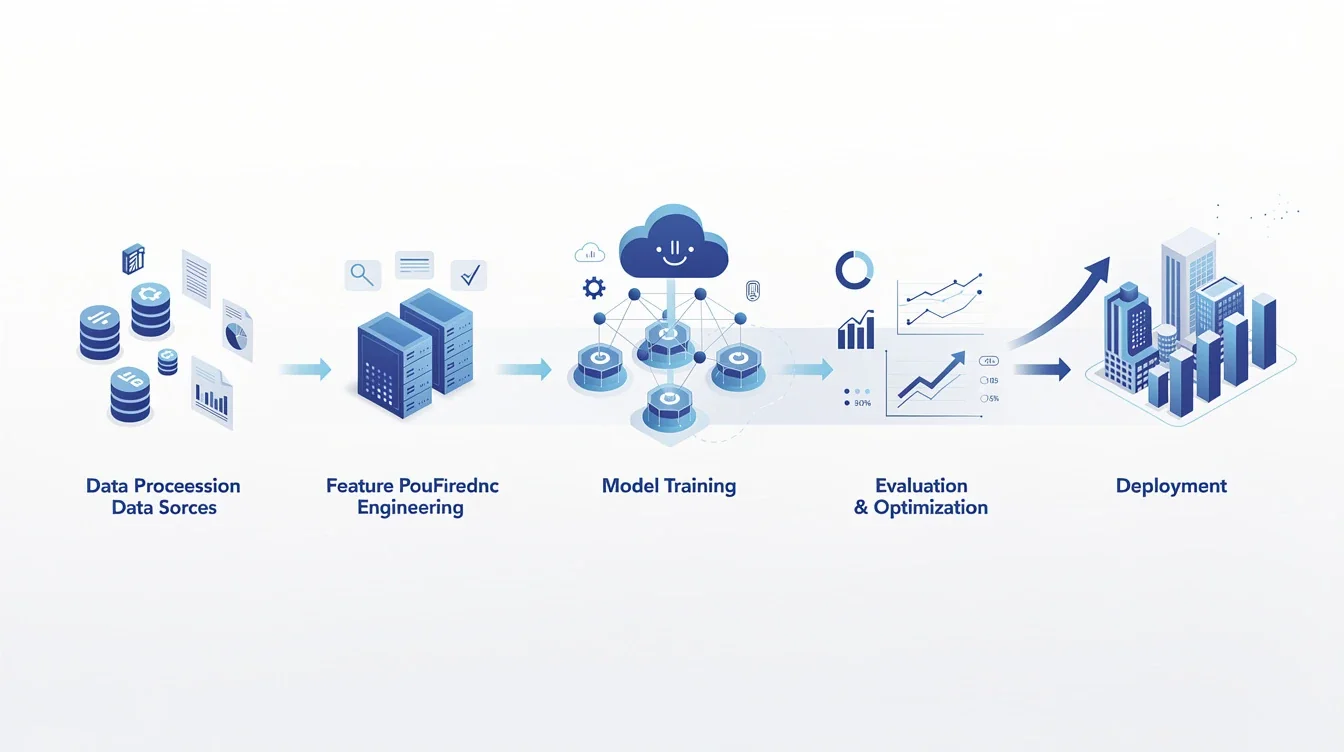
Not all AI models are created equal—or suited for your unique business context. The choice between off-the-shelf models, custom-built solutions, or a hybrid approach depends on your goals, budget, and internal capabilities.
Pre-built models from cloud providers can be a quick way to prototype, but they might not capture the nuances of your data or industry. Custom models, while more resource-intensive, offer the flexibility to optimize for your specific revenue levers and customer behaviors.
At Digital Minds, we often recommend a phased approach: start with industry-standard models to validate the use case, then invest in custom training as you identify areas for differentiation and scale. This minimizes risk and supports faster MVP launches.
The training process itself should be iterative. Test, learn, and refine as new data comes in and business needs evolve. Don’t treat model training as a one-off project—it’s an ongoing journey.
Pro tip: Leverage reliable overseas engineering teams for data labeling, feature engineering, and model tuning. This can significantly reduce costs without sacrificing quality.
Measuring Revenue Impact
The ultimate goal of AI model training is to move the needle on revenue. That means you need rigorous ways to track impact—not just model accuracy or technical performance.
Establish clear KPIs tied directly to business outcomes. Conversion rates, average deal size, customer lifetime value, and retention are all good starting points. Set up controlled experiments or A/B tests to measure the real-world effect of your AI-powered features and decisions.
It’s also important to monitor model performance over time. Data drifts, market changes, and user behaviors can all degrade effectiveness. Build in mechanisms for regular retraining and performance audits to ensure your AI stays aligned with revenue goals.
Pro tip: Integrate AI performance metrics into your existing business dashboards. This keeps technical teams and revenue owners on the same page and supports faster, data-driven decision-making.
Scaling AI Across the Enterprise
Once you’ve demonstrated revenue impact in one area, the next step is scaling AI across other functions and teams. The key here is to build reusable pipelines and frameworks, so you’re not reinventing the wheel for every new use case.
Document best practices, share learnings, and build playbooks for future projects. Encourage cross-functional collaboration—AI works best when business, product, and engineering teams are aligned on objectives and execution.
As your AI footprint grows, governance becomes increasingly important. Establish clear policies around data privacy, model explainability, and ethical considerations. This not only mitigates risk but also builds trust with customers and stakeholders.
Pro tip: Use MVP launches for each new AI initiative. Start small, gather feedback, and iterate quickly before rolling out at scale. This keeps costs in check and accelerates time-to-value.
The Cost-Conscious Path to AI-Driven Revenue
AI model training can seem daunting, especially for enterprises juggling multiple priorities and tight budgets. But with the right strategy, partners, and processes, it’s possible to achieve outsized revenue gains without overspending.
At Digital Minds, we champion a practical, growth-focused approach—combining reliable overseas talent with end-to-end support, from design and development to ongoing optimization and marketing. By focusing on real business outcomes, starting lean, and scaling smart, enterprises can unlock the full power of AI to drive sustainable revenue growth.
Pro tip: Regularly revisit your AI roadmap and budget allocations. As business needs shift, so should your model training priorities and investments.
Conclusion
AI model training has moved from the realm of innovation labs to the heart of enterprise revenue strategy. The winners in today’s digital economy will be those who treat AI not as a side project, but as a core driver of business outcomes. With a clear vision, strong data foundations, and a cost-conscious approach to scaling, enterprises can harness AI to turn insight into impact—and build a future where every decision is smarter, faster, and more profitable.
Ready to explore how AI can accelerate your revenue? At Digital Minds, we’re here to help you design, develop, and deploy AI solutions that make a measurable difference—every step of the way.