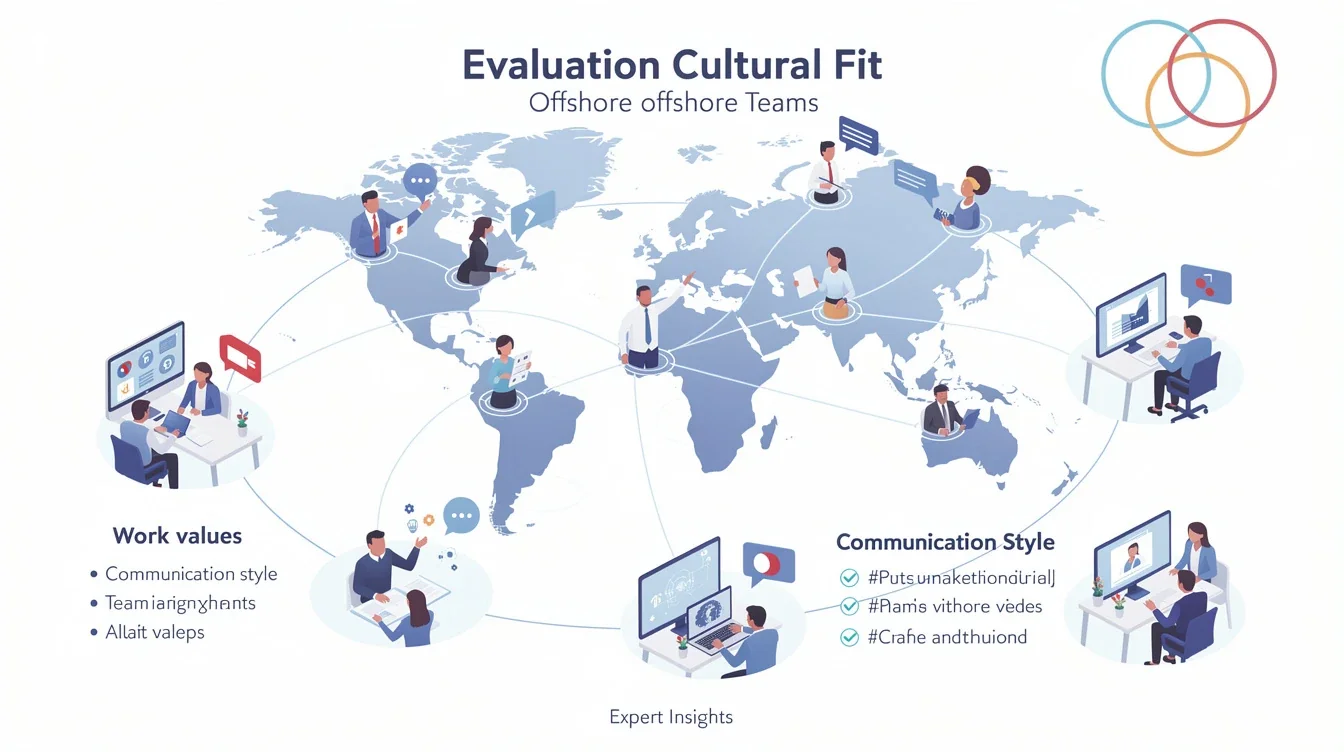
In today's fast-paced tech landscape, offshore teams are more than just a cost-saving measure—they're an essential part of scaling quickly and delivering robust solutions. At Digital Minds, we've seen firsthand how the right offshore partnerships can turn an MVP into a full-scale product ready for market. But even the most talented overseas developers won't drive success if cultural fit falls flat. So, how do you evaluate cultural fit for offshore teams? Let's break down what really matters, and how you can ensure your remote partners are an extension of your own team, not just hired hands.
Why Cultural Fit Matters for Offshore Teams

It's tempting to focus solely on technical skills when hiring offshore. After all, you want sharp coders, creative designers, and experienced QA testers. But cultural fit is the secret sauce for long-term collaboration. When Digital Minds partners with startups or enterprise clients, we see that shared values, communication styles, and work expectations can make or break a project—no matter how skilled the team.
Cultural fit impacts everything from how feedback is handled to how deadlines are communicated. Misalignments can lead to misunderstandings, missed deliverables, and even erode trust. Conversely, when offshore teams "get" your company's mission and values, they're more likely to go the extra mile and feel empowered to contribute ideas.
Pro tip: During initial interviews or calls, ask about past projects and listen for cues about collaboration, flexibility, and problem-solving approaches.
Communication Styles and Expectations
Clear communication is the backbone of any successful project, but it takes on new dimensions with offshore teams. Different cultures approach directness, hierarchy, and conflict in unique ways. For example, some teams may shy away from giving candid feedback, while others are used to a flat structure where anyone can speak up.
At Digital Minds, we've found that aligning on communication expectations early—like how often to check in, preferred channels (Slack, email, or project management tools), and how to escalate issues—is crucial. Consider time zone overlaps, language proficiency, and even subtle cues (like how quickly team members respond or clarify questions).
Pro tip: Set up a "communication playbook" at the start of your engagement outlining meeting cadences, escalation paths, and feedback loops.
Aligning Work Ethics and Values

Work ethic isn't one-size-fits-all. Some cultures value strict adherence to processes and schedules, while others prioritize creative problem-solving or flexibility. There's no universal "right way"—what matters is how well your offshore team's approach matches your own.
If your company thrives on rapid iteration and pivots (as many startups do), you'll want offshore partners who are comfortable with ambiguity and fast changes. On the flip side, enterprise clients might need teams who are meticulous with documentation and compliance.
At Digital Minds, we always ask offshore candidates about their preferred work styles, willingness to adapt, and how they handle high-pressure sprints or shifting requirements. Look for signals of ownership, accountability, and pride in their work.
Pro tip: Share real examples of challenging project moments with candidates and ask how they'd handle them. Their responses offer insight into their alignment with your company's values.
Building Trust Across Borders
Trust isn't built overnight, especially when your team is spread across the globe. It takes intentional actions and consistent follow-through. At Digital Minds, we recommend starting with small projects or MVPs, gradually increasing responsibility as trust is earned.
Transparency is key. Be open about your expectations for quality, timelines, and problem resolution. Encourage your offshore partners to surface challenges early, not just solutions. When mistakes happen (and they will), focus on learning and improvement rather than blame.
Regular video calls, informal check-ins, and even virtual team-building sessions go a long way. Recognize achievements and foster a sense of belonging—these "soft" actions pay dividends in loyalty and motivation.
Pro tip: Rotate team leads or project managers between your onshore and offshore teams to build mutual understanding and empathy.
Navigating Differences in Decision-Making
Decision-making styles vary widely across cultures. Some teams may defer to senior leaders, while others expect consensus and collective input. Misunderstandings here can slow down projects or create frustration on both sides.
At Digital Minds, we clarify upfront how decisions get made, who has the final say, and how much autonomy offshore teams have. This avoids bottlenecks and empowers teams to move faster. Consider creating a simple decision matrix or a RACI (Responsible, Accountable, Consulted, Informed) chart for critical workflows.
Encourage offshore teams to ask questions, challenge assumptions, and bring solutions—not just problems. Make it clear that their voices matter, whether they're suggesting a new tech stack or flagging a potential risk.
Pro tip: During onboarding, run through hypothetical scenarios (like a critical bug before launch) to see how decision-making unfolds in real time.
Measuring and Iterating on Cultural Fit
Evaluating cultural fit isn’t a one-and-done exercise. It’s an ongoing process, especially as your team grows or pivots. At Digital Minds, we routinely solicit feedback from both our clients and offshore partners, looking for red flags or opportunities to improve collaboration.
Use retrospectives, surveys, or informal check-ins to gauge satisfaction, communication quality, and alignment on goals. Don’t be afraid to make changes if a team or individual isn’t the right fit—sometimes, a simple shift in roles or responsibilities can make a world of difference.
Document best practices and lessons learned to inform future hiring and onboarding. The more intentional you are, the more seamless your offshore collaborations will become.
Pro tip: Schedule quarterly "culture reviews" with your offshore teams to celebrate wins, surface pain points, and co-create new ways of working.
Conclusion
Offshore teams are a strategic asset for any tech-driven business looking to scale efficiently, launch MVPs quickly, and tap into global talent. But unlocking their true potential means going beyond the resume and assessing cultural fit at every stage. At Digital Minds, we believe that practical, growth-focused partnerships are built on shared values, clear communication, and mutual trust.
Taking the time to evaluate and nurture cultural fit ensures your offshore teams feel like a true extension of your company—not just an outsourced resource. The result? Smoother collaboration, faster delivery, and products that reflect your brand's vision from design to launch and beyond. Invest in cultural fit, and you'll reap the rewards for years to come.