
It’s a thrilling time to be in SaaS. The flexibility, scalability, and global reach are hard to beat. But when it comes to compliance—think GDPR, SOC 2, HIPAA, and more—the stakes get higher, especially for organizations running hybrid teams across continents and time zones. As more companies blend in-house and overseas talent to build and maintain their SaaS platforms, the compliance landscape gets complicated, fast. At Digital Minds, we’ve seen firsthand how hybrid teams can turn these challenges into opportunities for smarter, faster, and more cost-effective compliance. Here’s how.
The Compliance Puzzle for Hybrid Teams

For SaaS businesses, compliance isn’t just a checkbox. It’s a foundation for trust, market access, and long-term growth. But hybrid teams—where engineers, designers, QA, and product owners might be spread across the US, Europe, and Asia—introduce layers of complexity. Different legal jurisdictions, time zones, and work cultures can make even straightforward compliance requirements feel like a puzzle.
Data residency rules, encryption standards, and audit trails must be understood and implemented by everyone, no matter where they're located. Communication gaps, unclear responsibilities, and rapid team changes can all increase the risk of non-compliance. And when you’re aiming for fast MVP launches and iterative releases, compliance can't slow you down.
Pro tip: Assign a dedicated compliance liaison in your hybrid team. This person bridges legal, technical, and operational silos, ensuring nothing falls through the cracks.
Building a Compliance-First Culture
You can't bolt compliance on at the end. It needs to be woven into your team’s DNA from day one. For hybrid teams, this starts with accessible training, clear documentation, and shared language around compliance standards. Everyone, from your US-based product manager to your offshore QA engineer, needs to know what’s at stake—not just what to do, but why it matters.
At Digital Minds, we recommend embedding compliance into onboarding for all team members, regardless of location. Use real-world scenarios that relate directly to your SaaS business, and make compliance an ongoing conversation, not a one-time event.
Pro tip: Host regular virtual "compliance clinics" where team members can ask questions and discuss real challenges. This builds a sense of ownership and demystifies complex regulations.
Leveraging Technology for Compliance
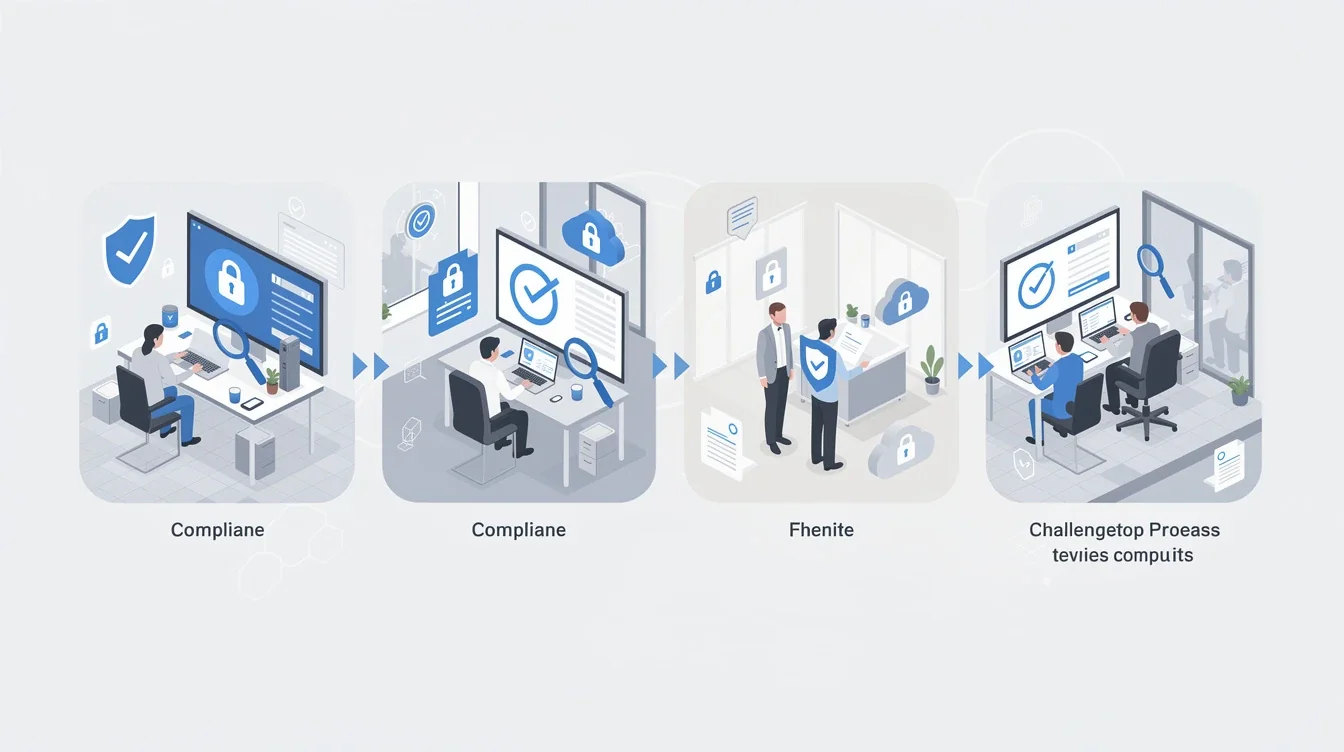
Hybrid teams thrive when they have the right tools. Modern SaaS compliance relies on a stack of technologies: secure code repositories, automated CI/CD pipelines with compliance checks, data loss prevention (DLP) systems, and cloud platforms with granular access controls. These tools aren’t just for security—they’re your compliance safety net.
Automated logging and monitoring ensure you always have an audit trail, no matter who wrote the code or deployed the feature. Role-based access controls and encryption should be standard, enabling you to enforce least-privilege principles across continents. And with cloud-native solutions, you can often configure compliance policies centrally, reducing the risk of drift between teams.
Pro tip: Set up automated alerts for policy violations. The faster you spot (and fix) a compliance misstep, the less disruptive it’ll be.
Documentation: Your Compliance Lifeline
If it’s not documented, it didn’t happen—especially in compliance. Hybrid teams need bulletproof documentation practices. This means version-controlled policies, up-to-date checklists, and clear records of who did what, when.
Effective documentation helps you pass audits, onboard new team members quickly, and recover fast when things go wrong. Make documentation a living process, not a one-off task. Store docs in accessible, secure locations and review them regularly as regulations and team structures evolve.
Pro tip: Use templates for recurring compliance tasks and reports. This saves time and ensures consistency across teams and projects.
Communication Across Borders
Miscommunication is the enemy of compliance, especially in hybrid teams. Time zone gaps and language barriers can derail the best-laid compliance plans. That’s why you need crystal-clear communication channels and practices.
Daily standups, asynchronous updates, and shared project boards keep everyone on the same page. Define escalation paths for compliance issues—everyone should know who to contact and how to flag a potential problem. And don’t underestimate the value of a shared glossary for compliance terms; a little clarity goes a long way.
Pro tip: Record important compliance meetings and share summaries with the whole team. This ensures alignment, even if someone couldn’t attend live.
Scaling Compliance as You Grow
As your SaaS product gains traction, compliance only gets more critical—and more complex. Hybrid teams need scalable frameworks that don’t crumble under rapid growth. Regular internal audits, continuous training, and proactive risk assessments are essential.
Consider appointing regional compliance champions as your team expands into new markets. These individuals can interpret local regulations and feed insights back to your core compliance function. And as you grow, revisit your tech stack to ensure it still meets evolving standards and requirements.
Pro tip: Schedule quarterly “compliance retrospectives” to review what’s working, what’s changed, and where you need to adapt. This keeps compliance agile and aligned with your business goals.
Conclusion
Hybrid teams are the engine behind many of today’s most successful SaaS companies. With the right strategies, they can also be your greatest asset in navigating the complex world of SaaS compliance. By fostering a compliance-first culture, leveraging the right technology, documenting relentlessly, and communicating clearly, you’ll turn potential compliance headaches into a foundation for trust and growth. At Digital Minds, we believe that smart, cost-conscious compliance isn’t just possible—it’s a competitive advantage.