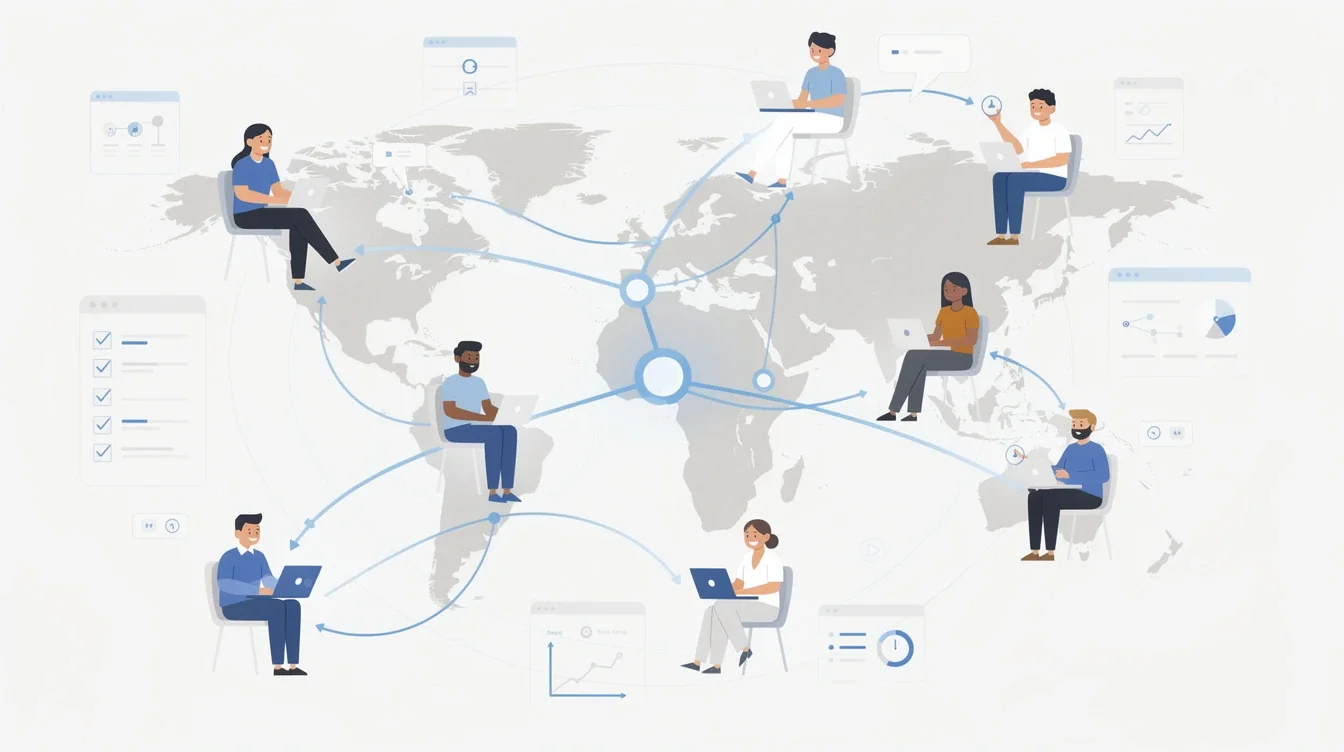
The seismic shifts of the past few years have redrawn the global business map. Remote work, once a rare perk, is now a baseline expectation. As companies scramble to fill talent gaps and accelerate digital transformation, one solution is rising to the top: offshore software teams. For US companies looking to scale quickly and cost-effectively, tapping into skilled overseas talent is no longer just a backup plan—it’s a core strategy. At Digital Minds, we’ve seen firsthand how offshore teams can propel startups, SMBs, and enterprises through MVP launches, rapid scaling, and sustained product evolution. But how do you make offshore hiring work in a post-pandemic world? Let’s break it down.
Why Offshore Teams Are More Relevant Than Ever

The pandemic was a crash course in distributed work. Almost overnight, companies learned to trust teams they’d never met in person, manage projects across time zones, and prioritize outcomes over office attendance. This shift didn’t just make remote work mainstream—it made global talent a practical reality.
Offshore software teams offer a deep bench of skilled engineers, designers, and QA specialists ready to plug into your workflow. You’re no longer limited by your zip code or city’s talent pool. For startups racing to launch an MVP or SMBs looking to stretch budgets, this is game-changing. Offshore teams can help you:
- Accelerate product timelines by working around the clock
- Access specialized skills that may be scarce (or unaffordable) locally
- Scale up or down quickly without the red tape of local hiring
Pro tip: When evaluating offshore partners, look for teams with a proven track record in your industry and strong English communication skills. It’s not just about code—it’s about collaboration.
The Cost Advantage: More Than Just Savings
Let’s talk numbers. Offshore hiring is often associated with lower hourly rates, but the real cost advantage runs deeper. Consider the full lifecycle of a software project: design, development, QA, deployment, and ongoing support. Offshore teams, especially those with end-to-end capabilities, streamline this process and reduce time-to-market.
But cost savings aren’t just about paying less per developer hour. With the right team, you get:
- Faster MVP launches, reducing the window before you start seeing ROI
- Access to cross-functional expertise without hiring multiple local specialists
- Flexibility to adjust team size as priorities change, without layoffs or lengthy hiring processes
This cost-conscious approach allows you to allocate more budget to growth—whether that’s marketing your SaaS product, investing in user acquisition, or building new features.
Pro tip: Don’t chase the lowest hourly rate. Focus on total value—reliability, expertise, and ability to deliver business outcomes matter more than headline costs.
Overcoming Common Challenges
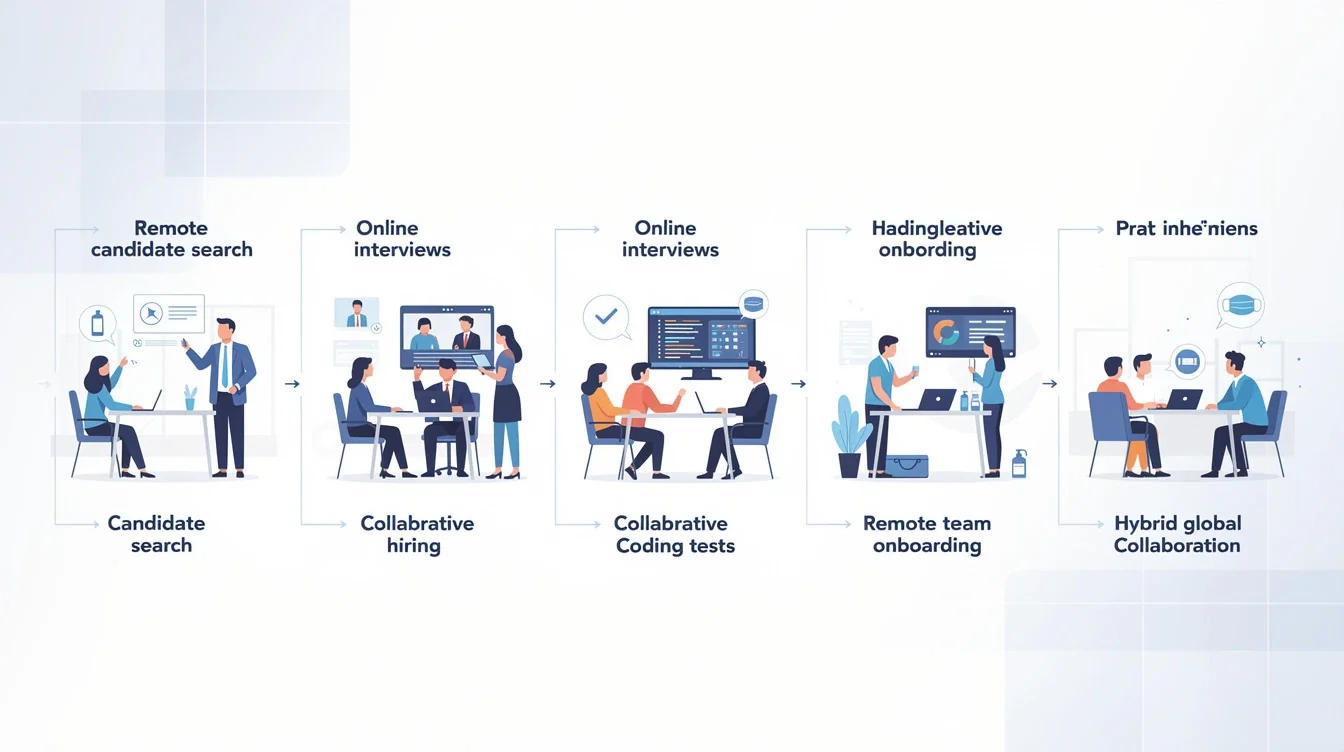
Of course, offshore hiring isn’t a magic wand. Misaligned expectations, time zone headaches, and communication breakdowns can derail even the best-laid plans. The key is to anticipate and address these issues proactively.
Start with clear project scoping. Define deliverables, milestones, and communication cadences before you start coding. Use collaboration tools to bridge the distance—shared task boards, daily standups, and regular demos keep everyone aligned.
Cultural differences can also impact collaboration. At Digital Minds, we recommend building relationships with your offshore teammates. Video calls, informal chats, and celebrating small wins to gether go a long way toward creating a unified team culture.
Pro tip: Assign a dedicated project manager (either in-house or with your offshore partner) to be the single point of contact. This reduces confusion and keeps projects moving smoothly.
Building a Reliable Offshore Partnership
Successful offshore hiring isn’t just about finding skilled coders—it’s about building a partnership that lasts. Look for teams that act as an extension of your business, not just task-takers. This means they proactively suggest improvements, flag potential issues, and take ownership of outcomes.
Start with a pilot project or MVP to test the waters. This lets you gauge the team’s technical chops, communication style, and ability to deliver on time and on budget. If things click, you can scale up confidently, knowing you’ve found a reliable partner.
Transparency is key. Share your business goals, user feedback, and long-term vision with your offshore team. The more context they have, the better they can anticipate needs and contribute strategically—not just technically.
Pro tip: Opt for partners with end-to-end capabilities, from UX design to post-launch support. This simplifies vendor management and ensures accountability throughout the project.
Offshore Teams for Long-Term Growth
Offshore software teams aren’t just a stopgap for staff shortages—they’re a growth engine. As your product matures, your needs will evolve. Maybe you’ll want to spin up a dedicated QA team, add new integrations, or ramp up cloud infrastructure. Offshore partners with broad expertise make it easy to scale resources in line with your business.
Many Digital Minds clients start with an MVP build, then expand the relationship into ongoing product support, marketing integration, and even customer service. This end-to-end model frees your core team to focus on strategy while your offshore team handles execution.
Offshore teams can also help future-proof your business. By tapping into global talent pools, you gain exposure to new technologies, development methodologies, and fresh perspectives that can drive innovation.
Pro tip: Invest in onboarding your offshore team just as you would local hires. Share your company culture, product roadmap, and user personas early on to foster engagement and shared ownership.
Making Offshore Hiring Work for You
The post-pandemic world has erased the boundaries between local and global talent. Offshore software teams, once seen as a risky experiment, are now a proven model for building, launching, and scaling digital products. The keys to success? Clear communication, strong partnerships, and a focus on total value—not just cost.
At Digital Minds, we’ve helped clients across industries leverage offshore teams to accelerate growth, control costs, and deliver standout user experiences. Whether you’re building your first MVP or scaling a complex SaaS platform, the right offshore partnership can make all the difference.
Pro tip: Treat your offshore team as a strategic asset, not a cost center. When you invest in the relationship, you unlock the full potential of global collaboration.
Conclusion
Offshore software teams are more than a post-pandemic stopgap—they’re a strategic lever for companies looking to build fast, scale smart, and stay competitive. By approaching offshore hiring with intention, clear expectations, and a long-term mindset, you can transform your development process and unlock new avenues for growth. The world has changed—and with the right offshore partner, your business can thrive in this new era.