For today’s digital businesses, assembling a high-performing, cost-efficient development team often means blending in-house staff with reliable overseas talent. Hybrid teams—where some members collaborate side-by-side and others dial in from across the globe—offer a powerful mix of expertise, flexibility, and round-the-clock productivity. But there’s a catch: time zone management. If you’re not careful, those time differences can turn seamless product launches into drawn-out, costly misfires. At Digital Minds, we’ve seen both the pitfalls and the possibilities. Here’s what it really takes to manage time zones and drive growth with hybrid development teams.
Why Time Zones Matter for Hybrid Teams

Time zones might seem like a small detail, but for hybrid teams, they’re a linchpin of productivity. When your developers are spread across San Francisco, New York, and Bangalore, you’re working with a 12+ hour window of difference—a full workday for one group is downtime for another. While this can enable “follow-the-sun” development and faster MVP launches, it can also create bottlenecks, miscommunication, and costly delays if not managed carefully.
Unmanaged time zone gaps can impact everything from daily standups and sprint planning to code reviews and emergency fixes. Critical tasks may get stuck waiting for someone to come online, and small blockers can escalate into missed deadlines. On the flip side, a well-structured approach turns global time differences into a competitive advantage.
Pro tip: Before onboarding an overseas team, map out every team member’s local working hours. This simple step can prevent headaches later.
Key Challenges of Cross-Time Zone Collaboration
Hybrid development teams face a unique set of time-related challenges. First, there’s the obvious issue of scheduling meetings. Finding a slot that suits everyone can feel like solving a Rubik’s cube, especially as teams grow. Next, asynchronous communication can slow down decision-making—messages that go unanswered for hours can stall momentum.
Then there’s the human side. Developers working odd hours to sync up with headquarters can burn out quickly. Cultural and language differences often compound misunderstandings, and a lack of “face time” may erode trust among remote and in-house staff.
Finally, maintaining continuous handoffs—where one team picks up right where another left off—requires airtight documentation, robust project management tools, and a clear sense of ownership. Without these, hybrid teams risk losing the very efficiency they’re supposed to gain.
Pro tip: Rotate meeting times occasionally to distribute the inconvenience of early or late calls. Your overseas team will appreciate the gesture.
Strategies for Effective Time Zone Management
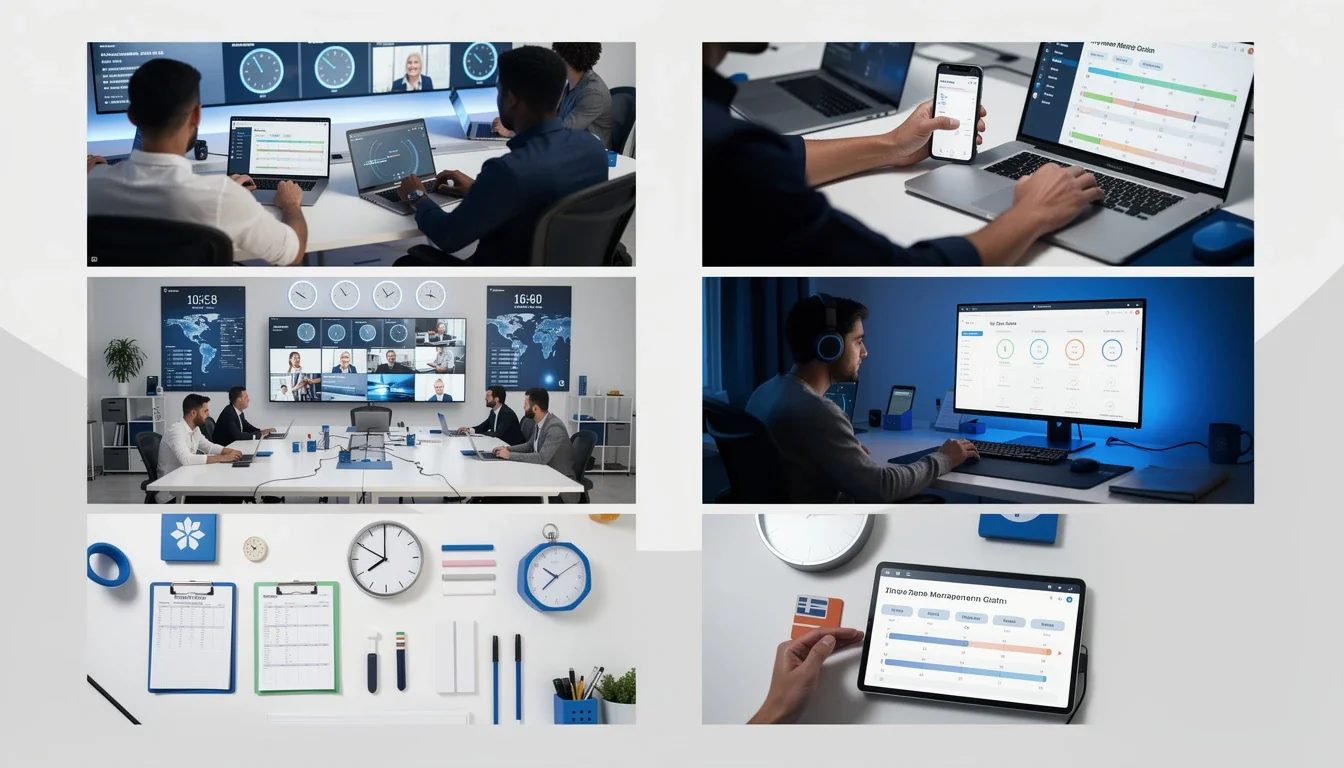
The right strategies can turn time zones from an obstacle into an advantage. At Digital Minds, we recommend a few proven tactics for hybrid development teams.
First, embrace asynchronous work. Not every conversation needs to happen in real time. Use collaborative tools—shared docs, task boards, and recorded video updates—to keep everyone in the loop. Build workflows with clear handoff points, so one team’s “end of day” becomes another’s “start of day” action list.
Second, set “core overlap hours.” Identify a window where most team members are online to gether, even if it’s just one or two hours. Use this time for critical discussions, daily standups, and fast feedback loops. For the rest, trust your team to move forward independently.
Third, double down on documentation. Detailed tickets, up-to-date specs, and clear commit messages keep projects moving, even when teams are out of sync. This reduces dependencies on real-time clarification and limits misunderstandings.
Fourth, invest in robust project management. Use tools that support time zone visualization and automated reminders. Assign clear owners for tasks and ensure everyone knows who to contact for urgent blockers.
Pro tip: Use tools that display each teammate’s time zone next to their name. It makes scheduling and empathy much easier.
Building a Culture That Bridges Time Gaps
The right tools and workflows are important, but culture is what holds hybrid teams to gether. Start by acknowledging the realities of distributed work—don’t expect instant replies, and respect boundaries around off-hours.
Promote transparency. Encourage team members to share their working hours, vacations, and personal constraints up front. Make it a norm to set clear expectations for response times and handoffs. Foster trust by giving remote engineers autonomy and recognizing their contributions openly.
Regular check-ins matter, too. Even if you can’t meet daily, set up recurring video calls for retrospectives, brainstorming, and non-work chat. These touchpoints build rapport and reduce the “us vs. them” dynamic that can crop up in hybrid teams.
Above all, celebrate wins across time zones. A well-timed thank you or public shoutout goes a long way toward making every team member feel valued, no matter where they log in.
Pro tip: Create a shared “team calendar” with local holidays and events. It helps avoid surprises and shows respect for everyone’s time.
Cost Efficiency Without Compromising Delivery
It’s no secret why US-based firms like Digital Minds rely on hybrid teams: global talent drives down costs and scales delivery. But time zone mismanagement can eat into those savings fast. Missed meetings, slow feedback, and duplicated work all add up.
The solution isn’t to demand 24/7 availability from overseas teams (which leads to burnout and turnover). Instead, design your product development process around time zone realities. Prioritize tasks that can be completed independently. Batch work into well-defined sprints. Launch MVPs by assigning time-sensitive features to teams with the most overlap, and use offshore capacity for lower-priority or parallelizable work.
This approach not only saves money but also creates a more sustainable, resilient team. The key is to balance cost optimization with a commitment to quality and predictability—two things your clients will always value.
Pro tip: Review your project timelines regularly and adjust task assignments to account for time zone friction. Small tweaks can yield major efficiency gains.
End-to-End Support in a Global World
Managing time zones well isn’t just about keeping developers happy—it’s about delivering consistent, end-to-end value to your clients. From the first design sprint through MVP launch and ongoing product support, time zone management is woven into every layer of successful hybrid teams.
It’s also a competitive differentiator. Companies that master the art of distributed work can move faster, reduce costs, and tap into a global pool of talent. They’re better equipped to handle urgent fixes, support clients around the clock, and adapt to market changes without skipping a beat.
At Digital Minds, we’ve built our reputation on this model. We know hybrid teams work best when time zones are seen as an asset, not a hurdle.
Pro tip: During onboarding, run a “time zone simulation” to spot potential gaps in coverage before they become real problems.
Related Articles
- QA and Software Testing Automation Services:
- Fractional CTO Services: A Game-Changer for
- How to Set Up QA and
Conclusion
Time zone management is an essential skill for modern, hybrid development teams. While it comes with challenges—scheduling headaches, slowed communication, cultural hurdles—it also unlocks powerful advantages like cost savings, faster product launches, and round-the-clock progress.
Success comes down to strategy and culture: build workflows that embrace asynchronous work, document everything, foster trust, and respect everyone’s time. With the right approach, you’ll turn global distances into a growth engine for your business—and deliver the reliable, scalable solutions your clients expect.
At Digital Minds, we’ve helped startups, SMBs, and enterprises master this balancing act. With the right mindset and tools, your hybrid team can do the same.