
Building a healthcare app is never just about code and features—it’s about trust, privacy, and the critical responsibility of handling sensitive patient data. For US-based organizations, the stakes are even higher. When you’re leveraging offshore development teams to build or scale healthcare products, compliance isn’t just a box to check at launch—it’s a strategic necessity from day one. At Digital Minds, we’ve seen firsthand how early compliance planning can make or break a project’s timeline, cost, and ultimate success. Let’s dive into why early compliance matters, the unique challenges of offshore development, and how to set your healthcare app up for a smooth, compliant launch.
Why Compliance Can’t Wait

Healthcare compliance is a moving target. Regulations like HIPAA in the US, GDPR in Europe, and emerging global standards create a complex web that developers and product leads must navigate. Waiting until your MVP is ready to “get compliant” is a recipe for expensive rework, launch delays, or worse—regulatory penalties.
For offshore projects, early compliance planning is about risk reduction and future-proofing. You’ll need to ensure every architectural decision, user flow, and data process aligns with the requirements of your target market. This is especially critical for US healthcare apps, where HIPAA violations can cost millions and irreparably damage reputation.
Pro tip: Bring a compliance expert into your product planning sessions—even before you write the first line of code. Their insights can help you avoid costly pitfalls and streamline development.
Navigating Offshore Development Challenges
Offshore teams offer tremendous advantages—cost savings, scalability, and 24/7 productivity. But healthcare compliance adds complexity. Your overseas developers may not be familiar with US-specific regulations, or the nuances of “protected health information” (PHI). Communication gaps, cultural differences, and legal boundaries can all become compliance risks if not managed proactively.
The key is to treat your offshore team as full partners in compliance. Share detailed documentation, provide hands-on training, and foster an open dialogue about regulatory requirements. Make sure everyone understands not just the “what,” but the “why” behind every compliance protocol.
Pro tip: Schedule regular compliance check-ins with your offshore leads. Use these calls to review features, answer questions, and keep everyone aligned as requirements evolve.
Building Compliance into Your Product DNA
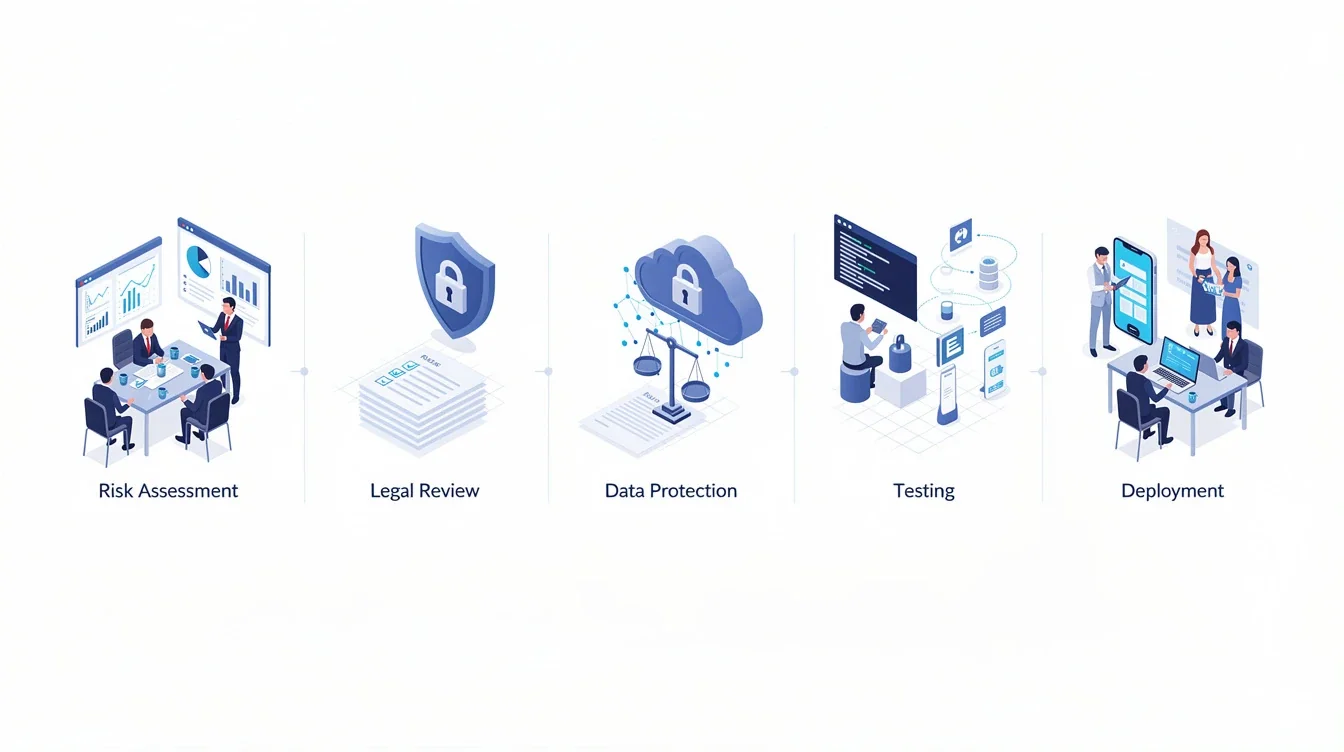
Think of compliance as a core feature—not an afterthought. From architecture to UX, every decision should be made with privacy and security in mind. This means choosing cloud providers with strong compliance certifications, encrypting data at rest and in transit, and building granular access controls for users and admins.
Document your data flows early. Where does PHI enter the system? Who has access to it? How is it stored, transmitted, and deleted? Mapping these pathways helps you design robust audit trails and meet requirements for breach notification, consent, and data minimization.
Pro tip: Use compliance “user stories” in your backlog—specific, testable requirements like “As a patient, I want to access my health records securely” or “As an admin, I must be able to revoke user access instantly.”
Cost, Speed, and the Compliance Equation
It’s tempting to move fast and cut corners, especially when you’re pushing for MVP. But compliance shortcuts almost always cost more in the long run. Remediating non-compliant code, redesigning workflows, or retrofitting encryption can double your spend and delay go-to-market by months.
Early compliance planning actually accelerates your launch. With clear requirements and guardrails, your offshore team can work more independently and efficiently. You’ll avoid rework, reduce bugs, and gain the confidence to scale quickly when you hit product-market fit.
Pro tip: When budgeting your project, include line items for compliance training, legal review, and security testing. These are investments in your product’s longevity and scalability.
Collaboration Across Borders and Functions
Compliance isn’t just an engineering concern. Product managers, designers, QA testers, and even marketers all play a role in protecting patient data. Foster a culture of shared responsibility. Make compliance part of your onboarding and regular standups, not just a checklist for legal and security teams.
Leverage project management tools to document decisions, track compliance tasks, and share updates with stakeholders both onshore and offshore. Transparency is your friend—when everyone knows what’s required and why, you’ll catch issues early and keep your project moving.
Pro tip: Create a “compliance champion” on your offshore team—a go-to person who stays up to date on requirements and serves as a bridge between US stakeholders and overseas developers.
The Path to Confident, Compliant Launches
Launching a healthcare app is high-stakes business, especially when you’re building with global teams. Early compliance planning isn’t just a regulatory necessity—it’s a strategic advantage. By embedding compliance into your product DNA, investing in team training, and fostering strong cross-border collaboration, you’ll set your healthcare app up for long-term success and scalability.
At Digital Minds, we believe that cost-conscious, growth-focused development and rigorous compliance can go hand-in-hand. With the right approach, you’ll save time, lower risk, and build the trust that healthcare users and partners demand.
Conclusion
Early compliance planning is the unsung hero of successful offshore healthcare app development. It’s about more than avoiding penalties—it’s about launching confidently, scaling securely, and creating lasting value for your users and stakeholders. Whether you’re building your first MVP or expanding an enterprise platform, make compliance your foundation. Your users—and your bottom line—will thank you.