
In today's fast-paced tech landscape, hybrid development teams—blending onshore leadership with reliable overseas talent—have become the norm for software and technology consulting firms like Digital Minds. This model unlocks global expertise, cost savings, and around-the-clock productivity. But it also brings a unique set of communication challenges. Misalignment, missed deadlines, and cultural misunderstandings can quickly derail even the most promising project. The good news? With the right communication strategies, your hybrid team can collaborate seamlessly and deliver exceptional results from MVP launch to full-scale product support.
Setting Clear Expectations Upfront

Success with a hybrid team starts before a single line of code is written. Clear, explicit expectations are the bedrock of effective communication. When team members span continents and time zones, it's easy for assumptions to creep in about project priorities, coding standards, or even basic working hours.
Kick off each project with a comprehensive onboarding session that covers not only the technical vision but also communication norms, decision-making processes, and definitions of "done." Make sure everyone understands what's expected of them, how to escalate issues, and the preferred tools for each kind of update.
Pro tip: Use simple, shared project documentation—think living wikis or digital handbooks—to reinforce expectations and processes. Refer to these resources often so they stay relevant and top-of-mind.
Leveraging the Right Communication Tools
The days of managing projects through endless email chains are over. The best hybrid teams at Digital Minds rely on a curated stack of communication tools, each matched to a specific need. For real-time collaboration, chat platforms like Slack or Microsoft Teams allow for quick check-ins and instant problem-solving. For detailed updates and asynchronous discussions, project management platforms such as Jira or Trello shine.
It's important to agree as a team on which tools to use for what purpose. For example, quick technical questions might go in a group chat, while milestone decisions or requirements changes get documented in your project tracker. This prevents information from getting lost and ensures everyone knows where to look for answers.
Pro tip: Schedule regular audits of your communication tools. Remove unused channels and streamline notifications to avoid information overload and keep everyone focused.
Building Bridges Across Time Zones
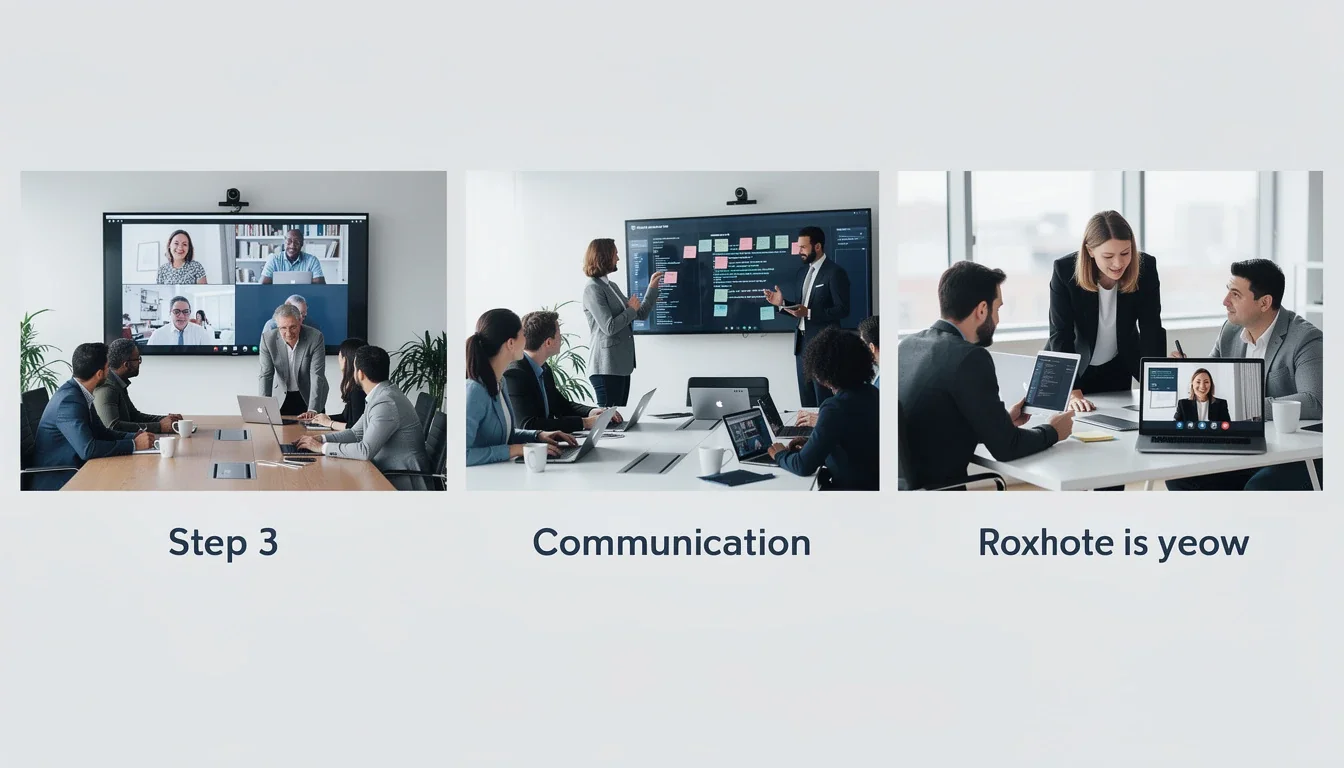
One of the biggest advantages of hybrid teams is the ability to keep projects moving around the clock. But working across time zones also means you'll need to be intentional about meeting schedules and response expectations. It's tempting to default to the convenience of a single time zone, but this can marginalize overseas team members and cause delays.
Instead, rotate meeting times so everyone occasionally joins during their workday. Use asynchronous updates—like daily standup posts or recorded video messages—to keep everyone in sync, regardless of when they're online. Setting clear boundaries for when team members are expected to be available (and when they're not) helps prevent burnout and ensures a healthy, sustainable pace.
Pro tip: Publish a shared team calendar that displays everyone's working hours in your main time zones. This simple tool makes coordination much easier and helps avoid accidental late-night pings.
Fostering a Culture of Open Feedback
Open, honest feedback is the lifeblood of high-performing hybrid teams. But cultural differences and remote work can make it harder for people to speak up when there's a problem or a better idea. That's why it's crucial to establish feedback as a regular, expected part of your communication rhythm.
Encourage team members to share challenges early and often, whether they're technical blockers or process frustrations. Model this behavior as a leader by asking for feedback on your own performance and acting on suggestions. Regular retrospectives—short, focused sessions to reflect on what's working and what isn't—give everyone a structured way to contribute their thoughts.
Pro tip: When giving feedback, always connect it back to shared goals. Frame suggestions in terms of how they help the team deliver better results, faster and more cost-effectively.
Documenting Decisions and Processes
In a hybrid environment, verbal agreements and hallway conversations don't exist. If it isn't documented, it might as well not have happened. That's why robust, accessible documentation is a must-have for hybrid teams.
Document technical decisions, design rationales, workflow changes, and key project milestones as you go. Store these records in a central, searchable location where everyone can find them. This not only supports smooth onboarding for new team members but also reduces the risk of miscommunication and rework.
Effective documentation isn't about creating mountains of paperwork—it's about making sure the right information is always at your team's fingertips. Use concise summaries, clear diagrams, and version-controlled files to keep things simple and actionable.
Pro tip: Assign a "documentation champion" for each sprint or project milestone. This rotating role ensures that capturing knowledge stays a priority, not an afterthought.
Celebrating Wins and Building Team Cohesion
Hybrid teams can sometimes feel transactional, with communication focused solely on tasks and deliverables. But strong relationships are the glue that holds high-performing teams to gether, especially when members rarely meet face-to-face. Taking time to celebrate wins, big and small, helps build trust and morale.
Share progress updates and recognize individual contributions in team meetings, chat channels, or even a dedicated "kudos" board. Consider occasional virtual team-building activities—short, fun sessions that let people connect on a personal level. These efforts pay off in improved collaboration, higher retention, and a stronger sense of shared purpose.
Pro tip: Mark project milestones with a virtual coffee break or a team shoutout. Even a few minutes of informal conversation can deepen connections and make remote work feel more human.
Related Articles
Conclusion
Running a hybrid development team takes more than just assembling the right technical skills. It requires a thoughtful approach to communication—one that bridges time zones, cultures, and work styles without missing a beat. By setting clear expectations, choosing the right tools, building a culture of feedback, documenting decisions, and celebrating successes, Digital Minds has seen hybrid teams deliver faster MVPs, lower costs, and better products for clients of all sizes.
The hybrid model is here to stay. With these strategies, your team can turn communication from a potential obstacle into your biggest competitive advantage.