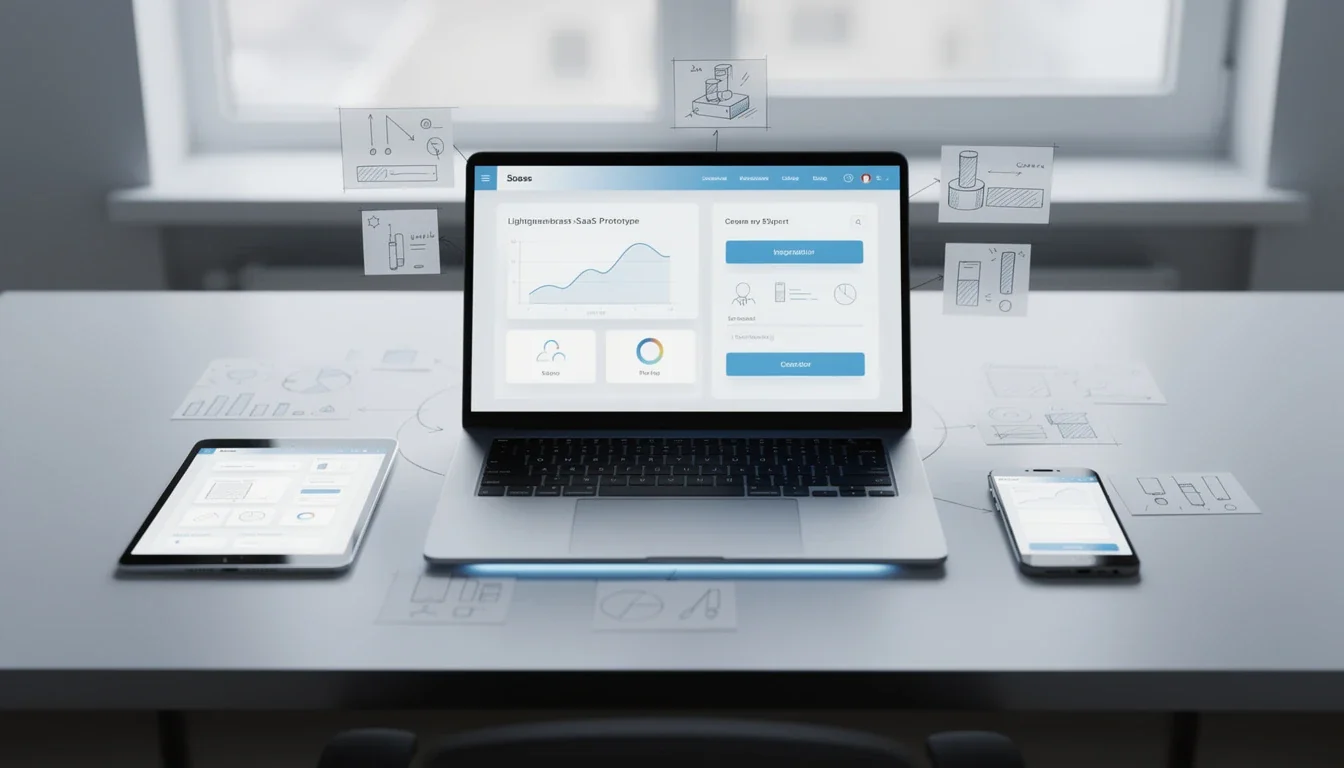
The race to build and launch new SaaS products has never been more intense. Whether you're a startup founder, a product leader at an SMB, or part of a team in a large enterprise, the pressure to validate ideas quickly—and cost-effectively—is real. At Digital Minds, we've seen firsthand how a lightweight SaaS prototype development approach can be the difference between wasted months and a successful market entry. In this article, we'll walk you through our practical, growth-focused method for prototyping SaaS products that balances speed, quality, and cost.
Why Lightweight Prototyping Matters

Traditional software development cycles are often too slow and expensive for today’s fast-moving markets. Building a full-featured SaaS product before validating your concept can burn through resources and leave you with a solution nobody needs. That’s where lightweight prototyping comes in. By focusing on core functionalities and user flows, you can quickly test assumptions, gather real feedback, and pivot as needed—all while conserving budget and developer hours.
At Digital Minds, we believe that a prototype isn't about building a miniature version of your final product. It's about creating just enough to answer the key questions: Will users find value? Is the workflow intuitive? Does the tech stack hold up? By keeping things lightweight, you stay nimble and ready to adapt.
Pro tip: Before writing a single line of code, map out the user journey and identify which user actions are critical to your SaaS idea. These are your prototype’s must-haves.
Steps to an Effective SaaS Prototype
So, what does a lightweight SaaS prototyping process really look like? While every project is unique, we’ve distilled our approach into clear, actionable steps. This isn’t about skipping important details; it’s about focusing on what matters most for early validation and rapid iteration.
1. Define the Core Problem and User
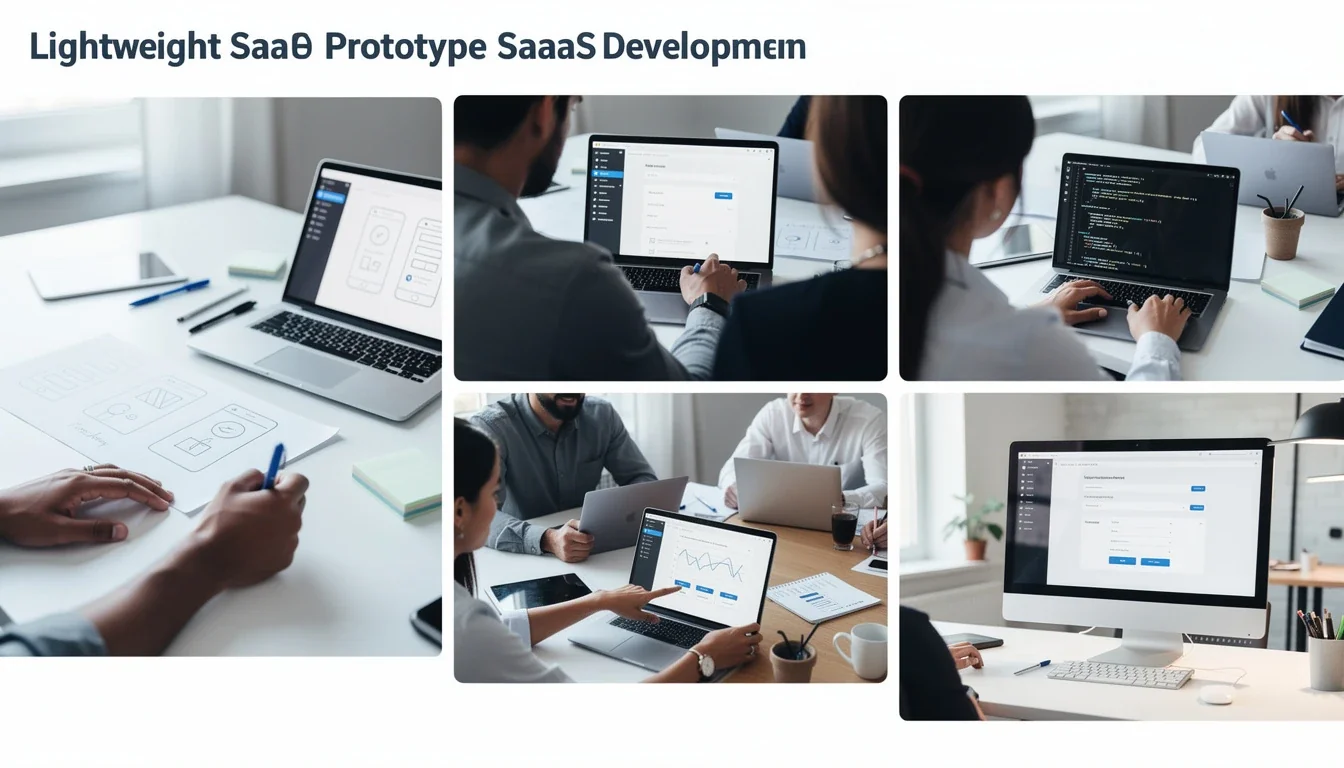
Start by zeroing in on the problem you’re solving. Who’s your ideal user? What pain point makes your solution essential? This clarity drives every decision that follows and keeps your prototype lean. Avoid the trap of “feature creep”—each new feature adds complexity, development time, and cost.
Pro tip: Interview three to five target users before you start prototyping. Their feedback will help you prioritize features and shape your early user flows.
2. Sketch and Wireframe Before You Build
Jumping straight into development is tempting, but even a simple wireframe can save countless hours. Tools like Figma or even pen-and-paper sketches allow you to visualize your SaaS platform and spot usability issues early. Focus on the main screens and user journeys, not pixel-perfect design.
Pro tip: Use clickable wireframes to simulate the user experience. It’s a fast, low-cost way to get feedback before investing in code.
3. Choose the Right Tech Stack (and Team)
A lightweight prototype doesn’t need enterprise-scale infrastructure. Opt for frameworks and tools that allow rapid development—think low-code platforms, open-source libraries, and established SaaS backends. The goal is to ship something functional, not flawless.
If you’re working with an overseas development team (as many of Digital Minds’ clients do), clear documentation and frequent check-ins are critical. A reliable partner will help you balance speed and quality without ballooning costs.
Pro tip: Resist the urge to optimize too early. Build for learning, not scaling—at least until you have evidence you’re on the right track.
4. Build Only the Essentials
Now it’s time to develop the actual prototype. Limit your scope to the critical features identified earlier. Usually, this means one or two workflows that represent your product’s core value. For most SaaS prototypes, authentication, data input, and simple analytics are enough.
Remember, your prototype isn’t your final product. Bugs and rough edges are expected. The point is to validate your concept, not impress with polish.
Pro tip: Use off-the-shelf components for common features like sign-up, notifications, and dashboards. Save your custom development budget for the unique aspects of your product.
5. Test, Iterate, and Validate
With a working prototype in hand, it’s time to get it in front of users. Collect qualitative feedback: How do users interact with your SaaS? Where do they get stuck? What features do they ignore? Data from these sessions is gold—use it to refine your prototype and your product vision.
Iterate quickly. Don’t be afraid to scrap features or workflows that aren’t resonating. The goal is rapid learning, not perfection.
Pro tip: Set up lightweight analytics to track key user actions. Even basic metrics like sign-up rates or task completion can reveal where your prototype is working—or where it’s not.
Balancing Cost, Quality, and Speed
One of the biggest challenges with SaaS prototyping is balancing the project triangle: cost, quality, and speed. At Digital Minds, we help clients make trade-offs that align with their growth goals and budgets.
Overseas development teams can be a huge asset here, delivering high-quality work at a fraction of the cost. But effective communication and clear milestones are non-negotiable. We recommend breaking work into one- or two-week sprints, with regular demos and feedback loops to catch issues early.
Don’t forget about technical debt. It’s fine for a prototype to cut corners, but have a plan for refactoring if your prototype evolves into a full MVP (minimum viable product).
Pro tip: Build with reuse in mind. Even if your prototype’s code gets thrown away, reusable design assets and libraries can save time in future development.
From Prototype to MVP: When to Scale Up
A common question we get: When should you move from prototype to MVP? The answer depends on the data you’ve collected. If your prototype confirms real demand, intuitive workflows, and technical feasibility, it’s time to invest in a more robust build.
Transitioning from prototype to MVP means fleshing out features, improving performance, and tightening security. You’ll also want to start thinking about scalability—choosing cloud infrastructure, expanding your team, and integrating with marketing and support tools.
At this stage, the lessons from your lightweight prototype pay off exponentially. You’ll have a validated product vision, real user feedback, and a clear roadmap for growth. The result: faster launches, less wasted spend, and a much higher chance of product-market fit.
Pro tip: Document everything you learn during prototyping. These insights are invaluable for onboarding new developers, aligning your team, and pitching investors.
Supporting SaaS Products End-to-End
A lightweight prototype is just the start of your SaaS journey. At Digital Minds, we support our clients all the way—from design and development to go-to-market strategy and ongoing product support. The same principles that guide our prototyping approach—clarity, efficiency, and adaptability—apply throughout the product lifecycle.
Post-launch, you’ll need to monitor user adoption, respond to feedback, and prioritize new features. Reliable overseas teams can help you iterate quickly and cost-effectively, freeing up resources for marketing and customer success.
Remember, growth doesn’t stop at launch. The SaaS winners are those who keep learning from their users and evolving their products—while keeping a close eye on costs and timelines.
Pro tip: Set up regular product health checks with your development and business teams. This ensures you’re always moving toward your growth goals, not just building for the sake of building.
Related Articles
Conclusion
Lightweight SaaS prototype development isn’t just a set of shortcuts—it’s a disciplined, strategic approach that maximizes your learning while minimizing your spend. By focusing on what matters most, leveraging the right teams and tools, and embracing a culture of rapid iteration, you’ll put your SaaS idea on the fastest path to success.
At Digital Minds, we’ve helped countless startups, SMBs, and enterprise teams validate, launch, and scale SaaS products using these principles. If you’re ready for your next big idea, remember: Start small, learn fast, and grow smart. The right prototype is your launchpad, not your finish line.