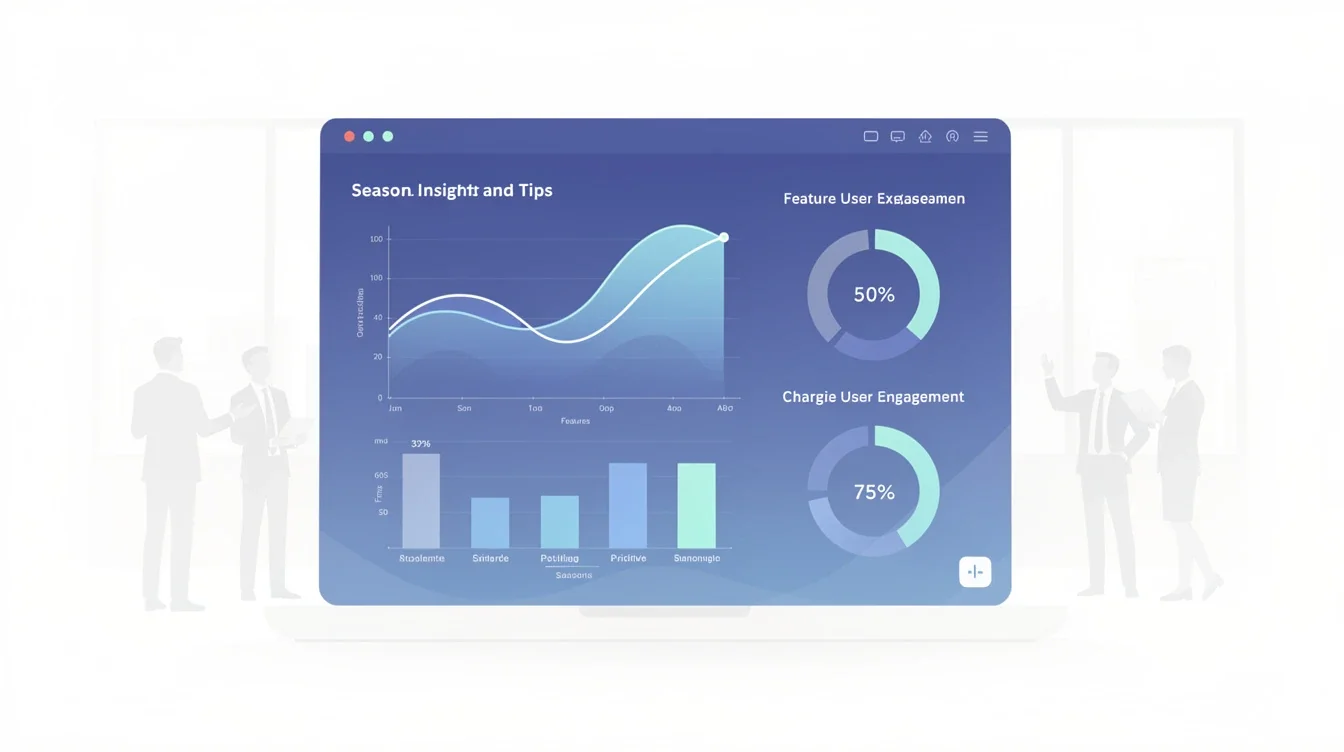
Every SaaS company wants to deliver features that drive engagement, retention, and revenue. But what if your best-laid product roadmap doesn’t match when your users actually need those features? At Digital Minds, we’ve seen firsthand how understanding and adapting to seasonal user behavior can make or break a software product’s success. If you’re developing SaaS solutions, especially for startups and SMBs pushing for MVPs, ignoring the calendar can mean missed opportunities—or worse, wasted resources.
Why Seasonal User Behavior Matters

It’s tempting to view software usage as a constant, but the truth is, user needs ebb and flow throughout the year. Think about how retail SaaS platforms see spikes before the holidays, or how educational tools ramp up every fall. These aren’t just random fluctuations; they’re predictable patterns tied to seasons, fiscal cycles, and even weather.
For product leaders and development teams, recognizing these patterns is crucial. It means you can plan sprints, releases, and marketing efforts in sync with when users are most likely to need (and love) your latest features. Prioritizing the right updates at the right time leads to better adoption, happier customers, and more efficient use of your development budget.
Pro tip: Regularly review user analytics from previous years to spot recurring seasonal trends—don’t rely solely on gut instinct or anecdotal feedback.
Identifying Seasonal Usage Patterns
The starting point is data. SaaS platforms naturally collect mountains of information about how, when, and why users engage. The key is looking beyond daily or monthly active user numbers to ask: When do our power users spike? When do we see more support tickets? What months have the most churn or new sign-ups?
For example, a SaaS tool for accountants might see a huge jump in usage around tax season, while a fitness app could spike every January. These patterns inform not just which features to build, but when to build and release them. If you’re not monitoring these trends, you risk dropping a major update when your users are least likely to notice—or worse, when they’re too busy to care.
Pro tip: Use cohort analysis to see how new users behave during different seasons, and compare it to returning users. Patterns here can reveal golden opportunities for targeted feature launches.
Aligning Feature Roadmaps With User Needs
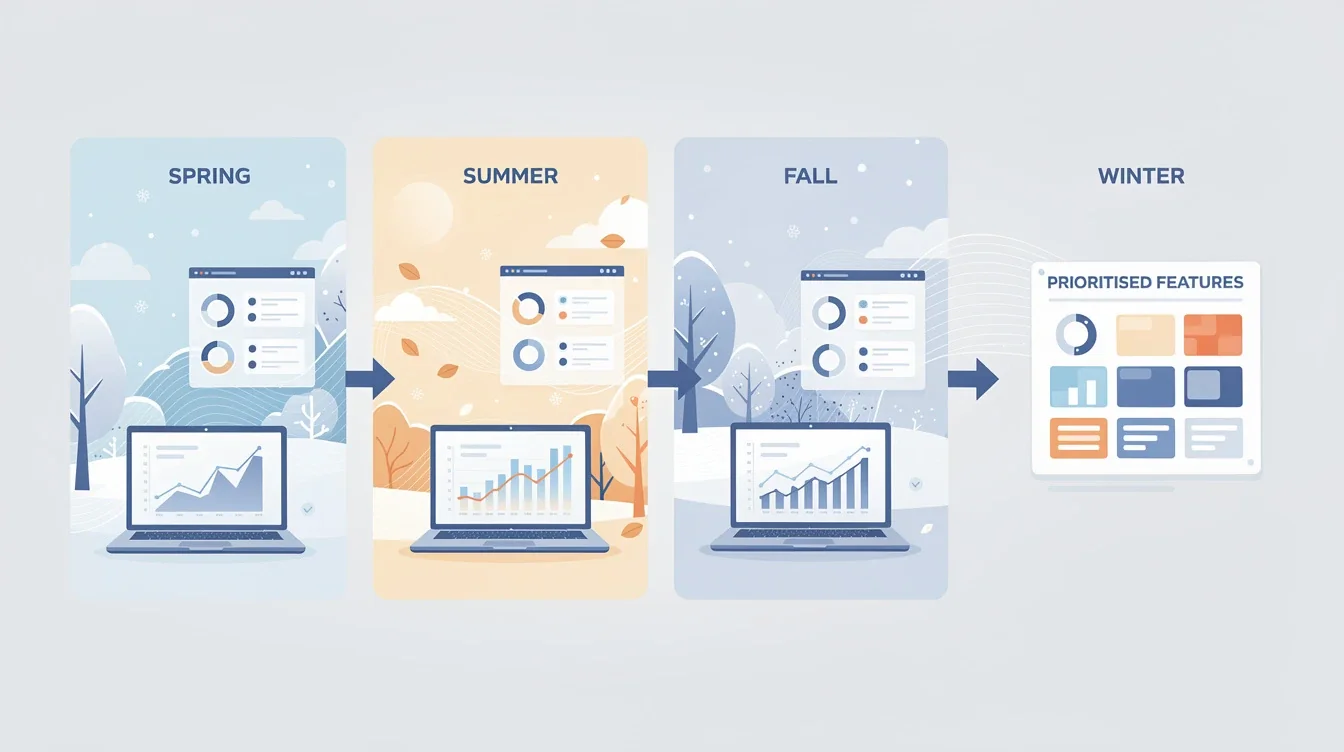
Once you’ve mapped out your seasonal cycles, the next step is to actually integrate these insights into your feature roadmap. This isn’t just about timing releases—it’s about prioritizing which features will have the biggest impact during those key periods.
Let’s say you’re supporting an e-commerce SaaS. If your users are prepping for Black Friday, a new analytics dashboard in November could be a game-changer. But a revamp of the onboarding flow? That might be better saved for the post-holiday lull, when new users trickle in and your team has space to iterate.
This approach also helps manage expectations with stakeholders. When everyone understands why certain features are prioritized, you’ll see less pushback and more alignment across teams. Plus, for cost-conscious founders, this means resources are always focused on high-leverage improvements.
Pro tip: Tie your feature prioritization meetings directly to your seasonality data—bring those charts into the room and let them guide the conversation.
Building Agile Teams for Seasonal Flexibility
One of the biggest challenges with seasonal prioritization is staying nimble. Markets change, new competitors emerge, and unexpected events (think: global pandemics) can shift user behavior overnight. That’s where agile development practices shine.
At Digital Minds, we encourage SaaS teams to structure sprints and milestones around anticipated peaks and valleys in user activity. This might mean front-loading UX work before a known busy season or keeping a lean backlog of high-impact features ready to go when data shows a surprise uptick.
Reliable overseas development teams are a secret weapon here. They can help you scale up quickly for seasonal pushes, then scale back during quieter periods. This flexibility lets you make the most of your budget without overcommitting resources in the off-season.
Pro tip: Use retrospective sessions after each peak season to capture lessons learned—what worked, what didn’t, and how your team can adapt next time.
Marketing and Launch Strategies by Season
Feature prioritization isn’t just a product decision—it’s a marketing one, too. Launching a killer feature is only half the battle; you need users to know about it and adopt it at the right moment.
Sync your marketing campaigns with your product roadmap. If you’re rolling out a feature that helps users during a busy season, make sure your messaging hits before they need it, not after. For SaaS products with annual contracts or renewals, time your most impactful updates to coincide with renewal periods—this can dramatically improve retention.
And don’t forget about onboarding and support. Users coming in during peak seasons may have different needs or less patience for change. Tailor your guides, tooltips, and support resources accordingly to make their experience as smooth as possible.
Pro tip: Collaborate early between product and marketing teams to align feature launches with seasonal campaigns—don’t let these happen in silos.
Cost-Efficient Prioritization for MVPs
For startups and SMBs, every development dollar counts. The temptation to build “just one more feature” before launch is real, but seasonality should guide what actually makes it into your MVP. Ask: What are the non-negotiable features users need during your first big seasonal window?
Building with seasonality in mind means your MVP isn’t just minimal—it’s maximally relevant. You’ll capture early adopters when they’re most engaged, gather better feedback, and lay a strong foundation for future iterations. This approach also makes it easier to scale up (or pivot) as you learn more about your users’ true seasonal needs.
Pro tip: When scoping your MVP, use seasonality to filter your backlog—if a feature won’t be mission-critical in the first 90 days of launch, save it for later.
Conclusion
Seasonal user behavior is more than a curiosity—it’s a powerful lever for SaaS product success. By listening to your users’ rhythms, prioritizing features that matter most when they matter most, and staying agile in your planning, you’ll outpace competitors and build software that truly resonates. At Digital Minds, we believe the smartest SaaS teams don’t just build for users—they build for users at the right time. If you’re ready to unlock the full potential of your SaaS roadmap, start by checking your calendar.