
For most companies, cloud infrastructure has shifted from a “nice-to-have” to a fundamental business asset. Yet as digital products scale and workloads multiply, so do costs. Left unchecked, cloud expenses can quietly balloon, eating into margins and slowing innovation. The good news? Artificial intelligence is rapidly evolving to help organizations control, optimize, and even predict cloud spending. Here at Digital Minds, we believe that by 2026, AI-driven cost optimization will be a standard practice for startups, SMBs, and enterprises alike.
Let’s dig into how AI is poised to transform cloud cost management, what this means for digital product teams, and how you can start preparing for a smarter, leaner cloud future.
The Current State of Cloud Costs

Cloud computing offers unmatched scalability and agility, but comes with a complex pricing landscape. Today’s teams juggle hundreds of services across AWS, Azure, and Google Cloud, each with its own cost models, usage patterns, and potential for waste. Manual cost monitoring is time-consuming and error-prone, and “hidden” expenses—like over-provisioned compute, idle resources, and unoptimized storage—add up fast.
Even with basic cost dashboards and alerts, teams often lack the context to make smart, timely decisions. It’s not uncommon for organizations to discover overspending months after the fact, or to make cost cuts that inadvertently hurt performance and customer experience. Cloud cost management tools have improved, but they’re still largely reactive.
Pro tip: Don’t wait for your monthly bill to start investigating. Make cloud cost visibility part of your sprint reviews or regular ops meetings, so you’re never surprised by unexpected spikes.
Where AI Steps In: Smarter Cost Optimization
AI’s real value for cloud cost management isn’t just crunching numbers—it’s recognizing patterns, predicting usage, and recommending actionable changes in real time. In 2026, AI-powered platforms will go far beyond alerting you to overspending; they’ll proactively orchestrate resources, automate rightsizing, and even negotiate better reserved instance contracts.
Imagine an AI system that can:
- Analyze historical and real-time usage across all your cloud services
- Identify underutilized resources and suggest precise downsizing, pausing, or termination
- Model the impact of architectural changes on future cloud spend
- Predict peak demand and automatically scale resources just-in-time
- Simulate different pricing models and negotiate optimal terms with providers
By shifting from static budgets to dynamic, AI-driven optimization, companies can respond to changing business needs without manual intervention—and without the risk of over-provisioning or service interruption.
Pro tip: Start tagging all your cloud resources by project, environment, and owner now. Rich metadata will make it much easier for future AI tools to contextualize recommendations and automate actions.
Real-World AI Applications for Cost Savings
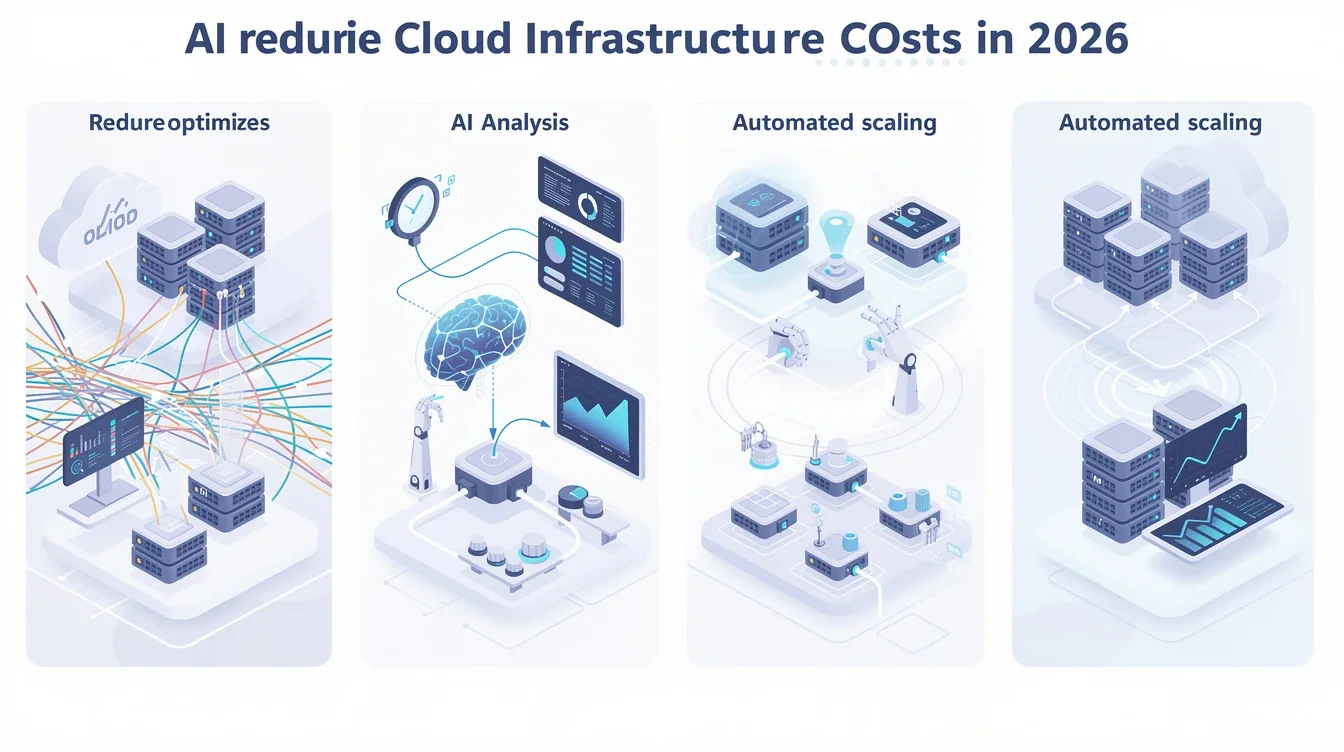
While some of these capabilities are already in early use, by 2026 we’ll see AI deeply embedded in both cloud provider tools and third-party platforms. Here are some practical, growth-focused use cases you can expect to leverage:
1. Automated Resource Rightsizing
No more guessing how many CPUs or how much RAM an application truly needs. AI models will continuously analyze usage patterns and automatically adjust resource allocations, scaling up during surges and down during lulls. This ensures high performance without paying for idle capacity.
2. Intelligent Workload Scheduling
AI will learn when your workloads (like nightly batch jobs or end-of-month reporting) actually run best and cheapest, shifting them to off-peak hours or lower-cost regions whenever possible. For global SaaS products, this can mean substantial savings with zero impact on user experience.
3. Predictive Billing and Budget Alerts
Instead of reacting to last month’s invoice, AI will forecast your future spend with high accuracy, factoring in business growth, seasonality, and even upcoming product launches. You’ll get proactive alerts and recommendations before you risk going over budget.
4. Smart Multi-Cloud Optimization
As more companies adopt multi-cloud architectures, AI will help route workloads to the most cost-effective provider based on real-time market pricing and performance data. This automated arbitrage ensures you’re always getting the best deal.
Pro tip: Even if you’re not ready for full automation, start collecting detailed usage and billing data now. The more historical data you have, the better AI tools will perform when you’re ready to implement them.
AI Challenges: What to Watch For
As promising as AI is for cost management, it’s not a silver bullet. Implementing effective AI-driven optimization requires careful planning, quality data, and a culture that embraces automation. Some challenges to anticipate:
- Data Silos: If your usage and cost data are scattered across teams or cloud providers, AI tools will struggle to deliver holistic insights.
- Change Management: Teams may be wary of letting AI make resource changes automatically, especially for mission-critical workloads. Building trust with gradual, explainable automation is key.
- Vendor Lock-In: Relying on a single cloud provider’s AI tools can limit your flexibility. Look for solutions that work across providers and support multi-cloud strategies.
- Privacy and Compliance: AI systems must respect data privacy and regulatory requirements, especially when analyzing usage patterns tied to customer data.
At Digital Minds, we’ve helped clients overcome these hurdles by standardizing resource tagging, centralizing billing data, and piloting AI-driven tools in non-critical environments first.
Pro tip: When evaluating AI cost optimization platforms, prioritize transparency. You’ll want clear explanations of AI-generated recommendations so your team can learn and refine the process over time.
Preparing for AI-Driven Cost Management
So how can you position your organization to take full advantage of AI for cloud cost savings by 2026? Here’s a practical roadmap:
- Audit Your Current Cloud Usage: Document which teams own which resources, what’s being used, and what’s idle. This baseline will make it easier to spot savings opportunities.
- Standardize Resource Tagging and Metadata: Consistent, meaningful tags (like project name, environment, owner, and business function) are crucial for effective AI analysis.
- Centralize Cost and Usage Data: Bring all your cloud billing and usage data into a single analytics platform. This will enable cross-team insights and more accurate forecasting.
- Pilot AI Tools in Low-Risk Environments: Start with non-critical workloads to build trust and refine your automation strategies.
- Foster an Optimization Culture: Encourage teams to treat cloud cost management as a shared responsibility. Celebrate wins and make it safe to experiment with new AI-driven approaches.
By investing in these foundations now, you’ll be ready to hit the ground running as AI-powered cost optimization matures.
Pro tip: Don’t wait for AI to do everything—pair automated insights with regular human reviews. A hybrid approach will deliver the best balance of savings and reliability.
The Strategic Value of Lower Cloud Costs
Cutting cloud costs isn’t just about saving money—it’s about unlocking resources for growth, innovation, and competitive advantage. When you spend less on infrastructure, you can invest more in product development, customer success, and new market opportunities.
For startups and SMBs, this means faster MVP launches and more runway. For enterprises, it frees up budget for digital transformation and strategic initiatives. And for everyone, it reduces the risk of surprise bills derailing your plans.
At Digital Minds, we’ve seen firsthand how proactive, data-driven cloud cost management can accelerate product timelines, improve margins, and set the stage for sustainable growth. As AI makes these capabilities more accessible, the winners will be those who embrace automation early and build a culture of continuous optimization.
Pro tip: Use cost savings as a metric in your OKRs or quarterly planning. When cloud efficiency becomes a shared goal, teams will naturally seek out new ways to optimize.
Conclusion
By 2026, AI-driven cloud cost optimization will shift from a cutting-edge experiment to a must-have for digital businesses of all sizes. The organizations that prepare now—by cleaning up their data, standardizing tags, and piloting AI tools—will reap the biggest rewards.
At Digital Minds, we’re passionate about helping our clients launch, scale, and sustain digital products that are not only innovative but also cost-effective. Whether you’re a startup building your first MVP or an enterprise modernizing legacy systems, AI-powered cost management will help you do more with less, unlocking new possibilities for growth and impact.
The future is smarter, leaner, and more agile. If you’re ready to get ahead of the curve, now’s the time to start your AI journey.