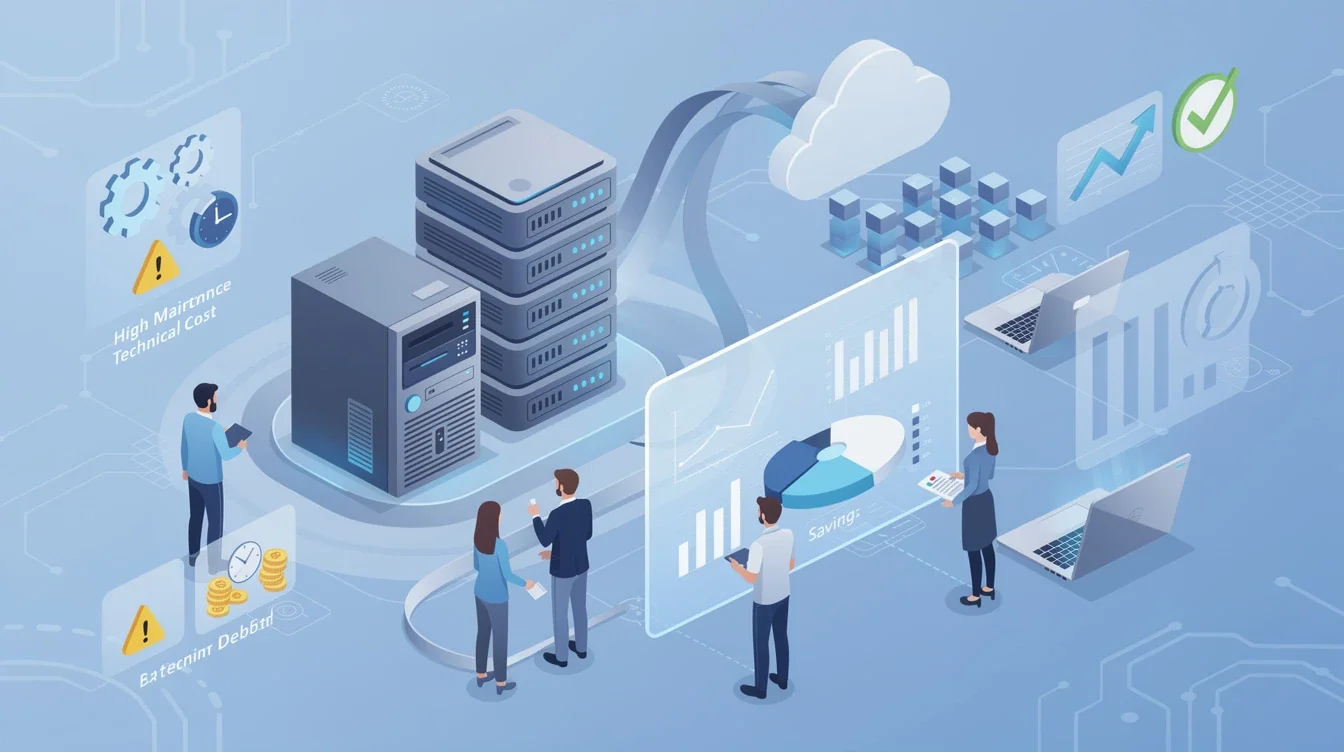
Modern businesses run on technology, but not all technology keeps up with the speed of change. If your company is still relying on legacy systems—outdated software that may be the backbone of your operations—you know the constant balancing act between “making do” and moving forward. As Digital Minds partners with startups, SMBs, and enterprises across the U. S., we often hear a familiar question: Is modernizing legacy software worth the investment? Let’s break down what goes into a legacy software modernization cost-benefit analysis and why it could be the game-changer your business needs.
Understanding Legacy Software and Its True Cost

Legacy software isn’t just “old code.” It’s any system that’s been outpaced by business needs, technology, or user expectations. Maybe it’s a homegrown ERP that’s a pain to update, or a customer portal that crashes during peak hours. These systems can become bottlenecks, slowing down your team and holding back innovation.
The true cost of legacy software goes well beyond annual maintenance fees. You’re also paying in lost productivity, increased downtime, and the inability to scale or integrate new tools. Security vulnerabilities can quietly rack up risks and potential compliance headaches. Plus, attracting and retaining top developer talent gets harder when your stack isn’t current.
Pro tip: Don’t just look at your IT budget. Factor in the cost of slow workflows, manual workarounds, and missed business opportunities when evaluating legacy software.
The Investment: What Modernization Really Entails
Modernizing legacy software isn’t a one-size-fits-all project. The investment can range from rehosting (lifting and shifting to the cloud) to full-scale reengineering or even building new custom solutions from scratch. The right choice depends on your existing tech stack, business objectives, budget, and timeline.
The main costs you’ll encounter include:
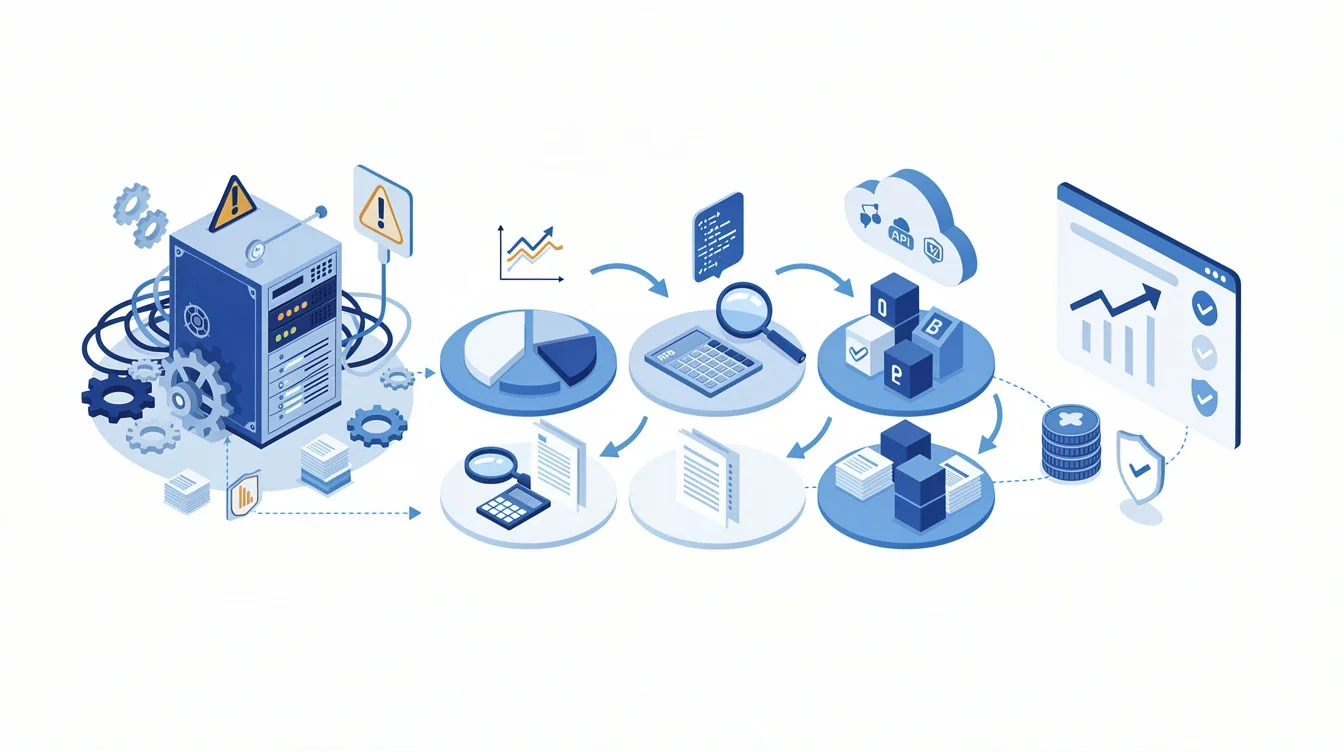
- Assessment and Planning: Mapping your system, understanding dependencies, and aligning stakeholders.
- Development and Migration: Coding, testing, data migration, and integration with current business processes.
- Training and Change Management: Ensuring your team is ready to leverage the new system.
- Ongoing Support and Optimization: Continuous improvements, security updates, and scaling as you grow.
While these line items might seem hefty, remember: with reliable overseas development teams (like those we deploy at Digital Minds), you can stretch your modernization budget without sacrificing quality or speed.
Pro tip: MVP launches can help validate modernization investments. Modernize a core feature set first, then iterate based on user feedback and ROI.
Calculating the Benefits: Beyond Immediate ROI
The benefits of legacy software modernization are both tangible and strategic. Let’s look beyond the initial sticker shock and focus on what you gain:
- Agility and Innovation: Modern platforms allow you to roll out new features faster, adapt to market changes, and experiment with new business models.
- Cost Savings: Reduced maintenance and infrastructure costs, lower downtime, and fewer manual processes save money over time.
- Improved Security and Compliance: Current technologies are easier to keep secure and compliant, reducing exposure to breaches and penalties.
- User Experience and Retention: A modern system boosts employee productivity and keeps customers coming back.
- Talent Attraction and Retention: Developers prefer working with up-to-date tech, making it easier to hire and keep great talent.
The true ROI comes from the compound effect of all these benefits over several years. Modernized systems are easier to scale, extend, and support, which means your investment keeps paying off as you grow.
Pro tip: Don’t overlook “soft” benefits like improved morale, faster onboarding, and better customer reviews—these can have a huge impact on your bottom line.
Risks and Pitfalls to Watch Out For
No significant transformation is without risk. Cost overruns, scope creep, and business disruption are real concerns. The biggest risks usually stem from underestimating the complexity of legacy systems or failing to engage stakeholders early.
A clear roadmap, experienced partners, and phased rollouts minimize these risks. Planning for incremental wins—like launching an MVP or modernizing one business process at a time—helps build buy-in and keeps costs manageable. Remember, modernization isn’t just an IT project; it’s a business-wide initiative that touches every team.
Pro tip: Make sure your modernization partner offers end-to-end support, from design to post-launch marketing. Seamless transitions and user adoption are just as important as clean code.
Making the Business Case: A Practical Approach
With the costs and benefits mapped out, how do you make the business case for modernization? Start by quantifying both the direct and indirect impacts of your legacy system. Calculate not only maintenance fees but also the costs of inefficiency, lost sales, customer churn, and compliance risks.
Balance these against the long-term gains: lower operational costs, new revenue streams, and greater market flexibility. Consider the opportunity cost of inaction—what will it cost your business if you stay stuck on aging tech while your competitors leap ahead?
At Digital Minds, we recommend building a phased roadmap with clear milestones and success metrics. This not only helps manage risk and budget but also demonstrates progress to stakeholders and keeps momentum high.
Pro tip: Tie your modernization plan to strategic business goals—like entering new markets, launching new digital products, or improving customer satisfaction—to ensure executive buy-in.
Conclusion
Legacy software modernization isn’t just a technical upgrade—it’s an investment in your company’s future agility and growth. While the upfront costs can feel daunting, the long-term benefits almost always outweigh the expense for businesses with ambitions to scale and innovate.
A thoughtful cost-benefit analysis, combined with the right partner and a practical, phased approach, can turn your legacy headaches into a springboard for new opportunities. At Digital Minds, we believe modernization is about more than code. It’s about unlocking your business’s full potential—today and for the years ahead.