
Building a successful digital product isn’t just about brilliant code or sleek UI. In 2026, as the market grows ever more competitive and user expectations rise, startups and enterprises alike realize that true value lies in seamless, end-to-end product support—spanning ideation to post-launch growth. At Digital Minds, we’ve seen firsthand how comprehensive support can make or break a product. In this case study, we’ll take you through the journey of one of our SaaS clients, showing exactly how end-to-end support transforms a promising idea into a thriving business.
The Challenge: Navigating Complexity

Our client, a fast-growing education startup, had a bold vision: create a personalized learning platform that scales from K-12 to corporate training. They had passionate founders and seed funding, but limited product management experience and a tight launch window. Their biggest hurdles were:
- Turning a broad idea into a minimum viable product (MVP) that users love.
- Coordinating a global development team efficiently.
- Launching with marketing muscle, not just technical prowess.
- Ensuring sustainable scaling and support post-launch.
With these challenges, they needed more than just coding help—they needed an end-to-end partner who could guide them through every phase of the product lifecycle.
Pro tip: Before you write a single line of code, invest time in understanding your real users and defining the problem you’re solving. It’ll save months of rework down the road.
Discovery and Design: Laying the Groundwork
We kicked off with a discovery sprint—workshops with stakeholders, user interviews, and rapid prototyping. Instead of assuming what users wanted, we validated pain points with real teachers, students, and administrators. This process uncovered insights that shaped our approach:
- The core MVP should focus on seamless onboarding and adaptive learning modules.
- Teachers needed real-time analytics, while students wanted gamified progress tracking.
- School IT admins prioritized data privacy and easy integration with existing tools.
Armed with these findings, our designers mapped user journeys and built interactive prototypes. We iterated quickly, using feedback from user testing sessions to refine features and streamline workflows—keeping scope lean but impactful.
Pro tip: Don’t try to build everything at once. Ruthlessly prioritize features that deliver immediate value and differentiate your product.
Development: Building with Agility
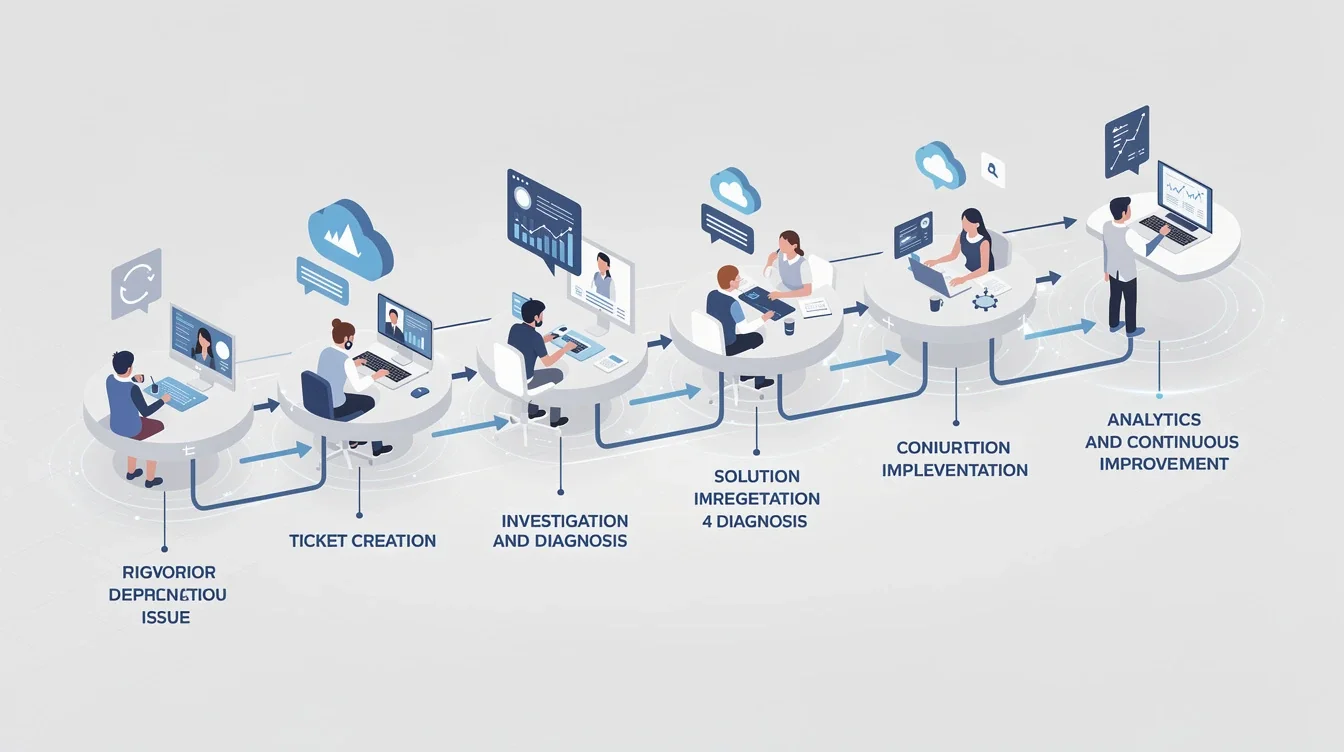
With validated prototypes, our overseas development teams got to work. We embraced an agile approach, delivering working increments every two weeks. Transparent communication—daily standups, weekly demos, and shared project dashboards—kept everyone aligned, even across time zones.
Key decisions included:
- Choosing scalable cloud architecture to handle rapid growth.
- Implementing robust CI/CD pipelines for fast, reliable releases.
- Integrating analytics from day one, so we could measure usage and identify friction points early.
MVP development was completed in just 16 weeks, thanks to a focus on automation, modular design, and tight collaboration between design, development, and QA.
Pro tip: Leverage global talent for cost-effective development—but invest in clear processes and documentation to overcome communication barriers.
Launch and Go-to-Market: Beyond the Code
A great product needs a great launch. Our marketing team worked alongside the product group, crafting messaging, building a pre-launch email list, and coordinating demo days with early adopters. We also produced high-quality onboarding materials and in-app tutorials to boost user activation.
The launch strategy included:
- Targeted outreach to school districts and corporate L&D managers.
- Thought leadership content to establish credibility.
- Real-time support chat to quickly address user questions and feedback.
Within the first month, the platform onboarded over 5,000 users and landed two key pilot contracts. Analytics revealed strong engagement with adaptive learning modules, validating our initial bets.
Pro tip: Start marketing before you launch. Build anticipation, gather a waiting list, and prime your audience for feedback.
Post-Launch Support: Scaling Without Chaos
The real test of end-to-end support comes after launch. User needs evolve, bugs surface, and new opportunities arise. For our client, this phase was just as important as the build. We provided ongoing support through:
- Dedicated support engineers for rapid bug fixes and feature tweaks.
- Monthly roadmap reviews, using analytics and customer feedback to prioritize updates.
- Scalable cloud infrastructure monitoring to handle spikes in usage (especially during back-to-school season).
As the user base grew to 50,000+ across multiple states, our team seamlessly scaled the backend and rolled out new features—like advanced reporting and parent dashboards—without disrupting existing users.
Pro tip: Post-launch is when your user community can become your strongest asset. Listen closely, respond quickly, and turn feedback into continuous improvements.
Lessons Learned: What Made It Work
Reflecting on this journey, a few key lessons stand out:
- Alignment is everything: Keeping product, design, development, and marketing aligned from day one ensures you’re always building towards real business goals—not just shipping code.
- Global teams require process, not just talent: With a distributed team, investing in documentation, clear workflows, and regular check-ins pays off tenfold.
- MVP doesn’t mean minimal—it means valuable: Focus on features that prove your concept and delight your first users. Leave “nice to haves” for later.
- End-to-end support never ends: True product support means walking with your client from idea to scale—and being ready to adapt as the market shifts.
Pro tip: Your first users are your best product testers and ambassadors. Involve them early and often, and reward their feedback.
Conclusion
The 2026 landscape demands more than just tech expertise—it requires partners who can shepherd products from concept through launch and beyond. For Digital Minds, end-to-end product support isn’t just a buzzword; it’s a proven formula for building products that last. By combining practical design, agile development, strategic marketing, and relentless post-launch support, we help clients navigate complexity and achieve sustainable growth.
If you’re looking to bring your next big idea to life, remember: success isn’t about the code alone, but the entire journey from vision to thriving user community. Choose a partner who’ll be with you every step of the way.