
If you rely on offshore teams to power your digital projects, you’ve probably noticed productivity doesn’t run on a flat line. Instead, it ebbs and flows with the seasons—sometimes in ways you never expected. At Digital Minds, where we help startups and enterprises scale with global talent, we’re constantly tracking these patterns to keep projects on time and on budget. Knowing when to expect peaks and valleys lets you plan ahead, reduce bottlenecks, and get the most out of your overseas investments.
In this article, we’ll unpack how seasonal trends affect offshore teams, why these patterns matter for your business, and practical strategies to keep your projects running smoothly, no matter the month.
What Drives Seasonal Productivity Changes?

Seasonal productivity isn’t about the weather alone. While climate can play a role (think of monsoon floods in South Asia or summer heatwaves in the Middle East), it’s really a mix of factors that shape how and when your offshore team gets things done.
Local holidays are a major driver. Countries like India, Ukraine, and the Philippines have different holiday calendars than the US. National festivals, religious observances, and even local events can mean extended breaks or reduced working hours. For example, India’s Diwali season or the Chinese New Year can result in week-long office closures.
Weather events, from typhoon season in Southeast Asia to winter storms in Eastern Europe, can also impact connectivity and commute times. In regions where remote infrastructure isn’t as robust, this can mean unexpected slowdowns.
Beyond that, school calendars and cultural rhythms affect when people take vacations or prioritize family obligations. Even the end-of-year period, while a wind-down for US teams, may coincide with a productivity surge elsewhere.
Pro tip: Build an internal calendar that tracks your offshore team’s regional holidays and weather risks. It’ll help you set realistic deadlines and avoid last-minute surprises.
How Offshore Productivity Patterns Affect Project Timelines
When you’re launching an MVP or scaling up a SaaS platform, timing is everything. Seasonal slowdowns can throw off your roadmap if you’re not prepared. Here’s how these patterns typically play out in real-world projects:
During major holiday seasons, you might see a dip in daily output—fewer code commits, slower QA cycles, or elongated feedback loops. This often leads to bottlenecks in sprints or pushes out delivery dates unless you account for it upfront. On the flip side, some seasons (like post-holiday periods) spark a burst of productivity as teams return refreshed and motivated.
These patterns aren’t just about lost hours; they affect project morale, communication, and even the quality of deliverables. For example, pushing for a release right before a major festival might result in rushed testing or missed edge cases.
Pro tip: Pad your project timelines by 10-15% around local holiday seasons. This buffer helps you absorb delays without scrambling or cutting corners.
Strategies for Smoothing Out the Peaks and Valleys
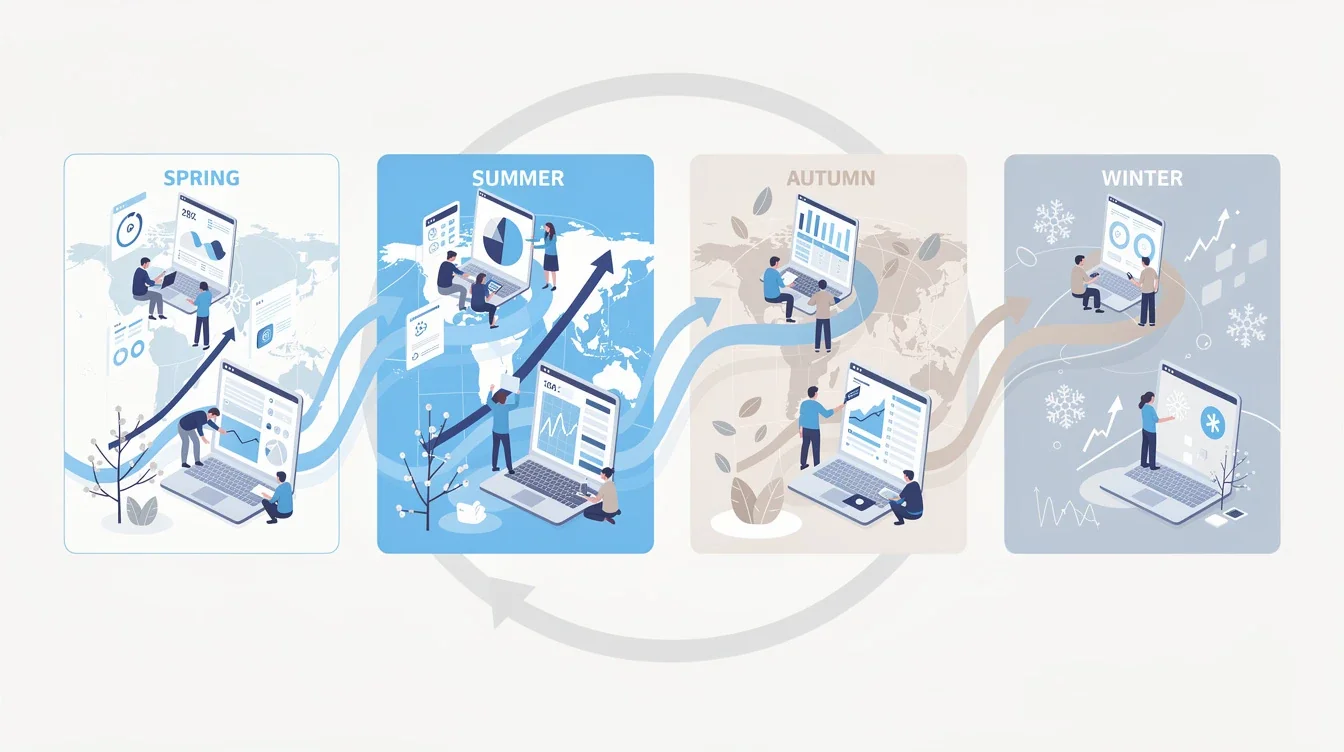
The good news? You don’t have to let seasonal swings dictate your success. With the right strategies, you can minimize disruptions and keep your offshore teams firing on all cylinders.
First, invest in robust project management. Use agile methodologies to break work into manageable sprints, so you can quickly adjust priorities if productivity dips. Daily standups and transparent communication help everyone stay aligned, even when team members are away.
Second, stagger critical milestones. Avoid scheduling major releases or feature freezes during known holiday periods. If possible, front-load essential work and use quieter periods for documentation, code reviews, or technical debt cleanup.
Third, cross-train your team. Encourage knowledge sharing so that if one region’s team is offline, others can step in. This is especially helpful for global teams spread across different time zones.
Finally, empower your offshore partners. Give them the autonomy to flag upcoming slowdowns and suggest schedule adjustments. Trust and collaboration go a long way toward smoothing out productivity bumps.
Pro tip: Set up recurring check-ins a month before major holidays to review workload, shift priorities, and confirm coverage.
Leveraging Multiple Regions for Year-Round Coverage
One of the biggest advantages of global delivery is diversity—across skills, perspectives, and time zones. If you’re working with teams in more than one country, you can actually turn seasonal differences to your advantage.
For instance, when one region is down for a festival, another might be in full swing. By distributing critical tasks across multiple offshore locations, you can ensure continuous progress. Some Digital Minds clients even schedule “follow-the-sun” handoffs, where work moves seamlessly from one region to the next as the day rolls on.
This approach does require more coordination, but the payoff is resilience. With a diversified offshore strategy, you’re less likely to hit a standstill during any one country’s peak holiday season or weather event.
Pro tip: Map out a coverage chart showing which teams are available during each month. Use this to proactively shift workloads and avoid overloading any single region.
Cost Management Amid Seasonal Fluctuations
For cost-conscious companies, seasonal productivity swings aren’t just a scheduling headache—they have real budget implications. Overtime, contractor premiums, and rush fees can all add up if you’re caught off guard by a regional slowdown.
The key is proactive resource planning. Track historical productivity data to forecast when you’ll need extra hands (or can scale back). Consider blending full-time offshore staff with flexible contractors to handle seasonal peaks without overcommitting on payroll.
Also, negotiate clear service level agreements (SLAs) with your offshore partners, specifying response times and deliverables around local holidays. This transparency helps everyone manage expectations and keeps invoicing straightforward.
Finally, use downtime strategically. Slow seasons are ideal for training, team building, or tackling backlogged tasks that don’t require immediate delivery. This ensures you continue getting value from your investment, even during lulls.
Pro tip: Review your offshore spend quarterly and adjust allocations based on upcoming regional events. This helps you optimize cost without sacrificing quality or velocity.
Building Long-Term Resilience
Seasonal productivity patterns are a fact of life in global teams, but they don’t have to derail your roadmap. The most successful companies treat these cycles as an opportunity to improve—not just a risk to be managed.
Invest in building strong relationships with your offshore partners. The more you understand each other’s calendars, constraints, and working styles, the easier it is to navigate the ups and downs to gether. Celebrate local holidays and team milestones to build trust and engagement.
Stay flexible. Revisit your project plans regularly, and be ready to pivot if a weather event or unexpected closure hits. And keep communication open—transparency is your best tool for avoiding surprises and keeping everyone moving forward.
Pro tip: Appoint a “seasonal champion” on your PM team to monitor regional trends and coordinate with offshore leads. This ensures nothing slips through the cracks.
Conclusion
Offshore teams are a powerhouse for digital growth, but only if you understand—and plan for—the rhythms that shape their productivity. By tracking local holidays, weather patterns, and cultural cycles, you can smooth out seasonal dips and keep your projects on track. With smart planning, transparent communication, and a little creativity, seasonal swings become just another tool in your global delivery toolkit.
At Digital Minds, we’re here to help you harness the full potential of your offshore teams—all year round. Ready to turn seasonal challenges into a competitive edge? Let’s get started.