Launching a startup is exhilarating, but it's also a relentless balancing act. You're racing to build your MVP, refine your product-market fit, and woo early users—all while keeping burn rates low and your tech stack nimble. But here's the catch: infrastructure and operations can't be an afterthought. You need robust, scalable systems from day one, yet hiring a full-time DevOps team is rarely in the cards for a lean startup. Enter fractional DevOps consulting—a flexible, cost-effective way to get the expertise you need, when you need it, without breaking the bank. Let's explore how this model can be a game changer for ambitious startups looking to scale smartly.
Why Startups Struggle with DevOps

Most startup founders wear multiple hats, but unless your background is in infrastructure, DevOps is likely outside your comfort zone. Infrastructure as code, CI/CD pipelines, cloud orchestration, security hardening—these are all crucial, but they're also specialized skills. Hiring full-time DevOps engineers is expensive, and traditional consulting firms often cater to enterprise budgets. The result? Startups either delay critical ops work or patch to gether ad hoc solutions, leading to technical debt, downtime, and bottlenecks as you scale.
Pro tip: Prioritize automation early—manual server setup or deployment processes may work with one customer, but they'll slow you down dramatically as you grow.
What Is Fractional DevOps Consulting?
Fractional DevOps consulting is like having a DevOps expert on speed dial—without the commitment or cost of a full-time hire. Instead of a permanent employee, you engage with seasoned professionals who dedicate just the right amount of time to your project. This could mean a few hours a week or a couple of days a month, depending on your needs and growth stage.
These consultants bring years of hands-on experience across cloud platforms, automation tools, and security standards. They work alongside your team, helping you design, implement, and maintain the right infrastructure—and they do it with a laser focus on efficiency, reliability, and scalability.
Pro tip: Choose a fractional DevOps partner who's comfortable blending into your workflow and culture. The best consultants act as extensions of your team, not outsiders.
Key Benefits for Lean Startups
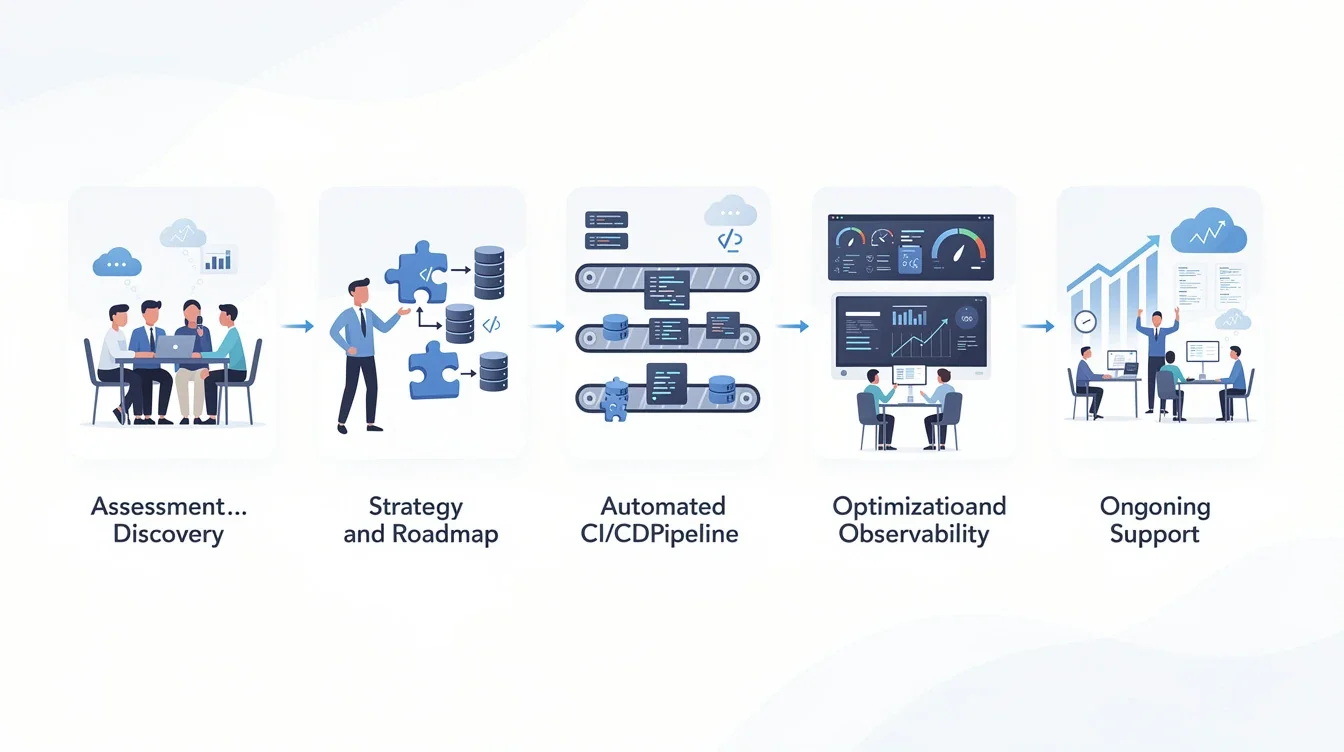
Startups thrive on agility and resourcefulness. Fractional DevOps services align perfectly with this mindset, delivering several powerful benefits:
Cost Efficiency: You only pay for what you need, when you need it. This keeps your runway intact and lets you invest more in core product development.
Faster MVP Launches: With expert guidance, you can automate deployments, set up cloud environments, and implement monitoring in days—not weeks. That means less time wrestling with infrastructure and more time delighting users.
Reduced Technical Debt: Early DevOps investments prevent the kind of architectural messes that slow down later growth. Fractional consultants spot potential issues before they become blockers, helping you build on a solid foundation.
Access to Global Talent: Many fractional DevOps pros work remotely and have experience with distributed teams. This global reach means you get the right expertise, regardless of geography.
Pro tip: Don’t wait until something breaks—engage a fractional DevOps consultant proactively to review your infrastructure before scaling up user traffic or launching new features.
What Services Can Fractional DevOps Cover?
Fractional DevOps consultants offer a wide spectrum of services tailored to your startup’s stage and goals. Some of the most impactful include:
Cloud Architecture Design: Choosing the right cloud provider and setting up scalable, secure environments from day one.
CI/CD Pipeline Automation: Streamlining code integration, testing, and deployment so your team ships faster and with fewer errors.
Infrastructure as Code (IaC): Using tools like Terraform or CloudFormation to make your infrastructure reproducible and version-controlled.
Monitoring and Incident Response: Implementing observability tools and on-call strategies to catch and resolve issues before users notice.
Security Best Practices: Ensuring compliance and data protection are baked in—not bolted on—by integrating security checks in your pipelines and infrastructure.
Cost Optimization: Helping you track cloud spend, right-size resources, and avoid nasty billing surprises.
Pro tip: Start with a discovery session—let your consultant audit your current stack and recommend high-impact improvements. Even a few quick wins can dramatically improve reliability and speed.
How to Choose the Right Fractional DevOps Partner
Not all consultants are created equal. Here’s what to look for when evaluating fractional DevOps partners for your startup:
Relevant Experience: Look for consultants who’ve worked with startups at your stage and in your industry. Bonus points for those who've helped companies launch MVPs, scale rapidly, or navigate similar regulatory hurdles.
Communication Skills: Tech chops matter, but so does the ability to translate jargon into actionable advice for your team. Your consultant should be a teacher as much as a doer.
References and Case Studies: Ask for examples of successful projects. A reputable partner will be happy to share past wins and lessons learned.
Cultural Fit: Startups move fast and change direction often. The right consultant embraces ambiguity and adapts to your pace and values.
Flexible Engagement Models: Whether you need a one-off audit, ongoing support, or help during key product launches, flexibility is key.
Pro tip: Start with a pilot project or time-boxed engagement. This lets you evaluate your consultant’s impact before committing to a longer-term partnership.
Getting Started: A Roadmap for Startups
Ready to explore fractional DevOps consulting? Here’s a practical approach to kick off your journey:
-
Identify Pain Points: Are you struggling with slow deployments, frequent outages, spiraling cloud costs, or compliance worries? Map out your top challenges.
-
Define Success: What outcomes would make the engagement worthwhile? It could be shipping your MVP, passing a security audit, or reducing downtime.
-
Engage a Consultant: Share your goals, budget, and current stack. A good consultant will tailor their services to your needs and propose a roadmap.
-
Collaborate and Iterate: Treat your consultant as a partner. Involve them in planning, standups, and retrospectives. Be open to feedback and iteratively improve your processes.
-
Measure Impact: Track key metrics like deployment frequency, uptime, and cloud spend. Celebrate quick wins and course-correct as needed.
Pro tip: Documentation is your friend—ask your consultant to create clear guides and playbooks so your team can maintain momentum after their engagement ends.
Conclusion
Fractional DevOps consulting is a powerful lever for startups looking to maximize impact with minimal overhead. By tapping into expert guidance on an as-needed basis, you avoid costly missteps, accelerate your path to market, and build a resilient foundation for growth. At Digital Minds, we've seen firsthand how the right DevOps strategy makes all the difference—turning technical hurdles into competitive advantages. If you're ready to scale smart, consider making fractional DevOps part of your startup's growth toolkit. Success favors the prepared—and in today's digital world, that means having DevOps on your side from day one.