
Retrospectives are the heartbeat of continuous improvement, but running them well with a hybrid team? That’s a different ballgame. At Digital Minds, we’ve seen firsthand how distributed teams can unlock innovation—if you build trust and keep communications sharp. But retros with a mix of remote and in-office contributors come with hidden challenges: distance, time zones, and the risk of voices getting lost. So how do you make sure your hybrid retrospectives don’t just go through the motions, but actually drive better products and stronger teams? Let’s dig into the best practices that help hybrid teams turn reflection into real results.
Setting the Stage for Hybrid Success

A successful retrospective starts long before everyone joins the video call. Hybrid teams need extra care to ensure everyone feels included and prepared. It begins with clear, consistent scheduling that respects global time zones. Announce retros well in advance. Share the agenda early so people can reflect and jot down thoughts—don’t let ideas get lost because someone’s scrambling to remember the last sprint.
Physical and virtual spaces matter too. If some folks are in the office, don’t let them cluster around a whiteboard while remote teammates stare at a screen. Level the playing field: have everyone join virtually, even if a few are in the same building. That way, every voice gets the same digital “seat at the table.”
Pro tip: Use a shared doc or digital whiteboard for brainstorming before the meeting. This helps quieter team members add their insights without pressure and gives your retro a running start.
Focusing on Psychological Safety
For hybrid teams, psychological safety isn’t just a buzzword—it’s a necessity. If people worry about speaking up because they’re not in the main office, retrospectives lose their value fast. Leaders set the tone: open with a warm welcome, check in on how everyone’s feeling, and remind the team that all feedback—positive or critical—is valued.
Hybrid retros need structure to avoid dominant voices taking over. Try round-robin formats or time-boxed speaking slots. Ask the quietest person for their thoughts first, and make it clear that every perspective matters, regardless of location or role. Celebrate candor, even when the feedback is tough.
Pro tip: Start your retro with a quick “weather report”—let everyone share one word about how their week felt. It breaks the ice and sets a tone of openness.
Choosing the Right Tools
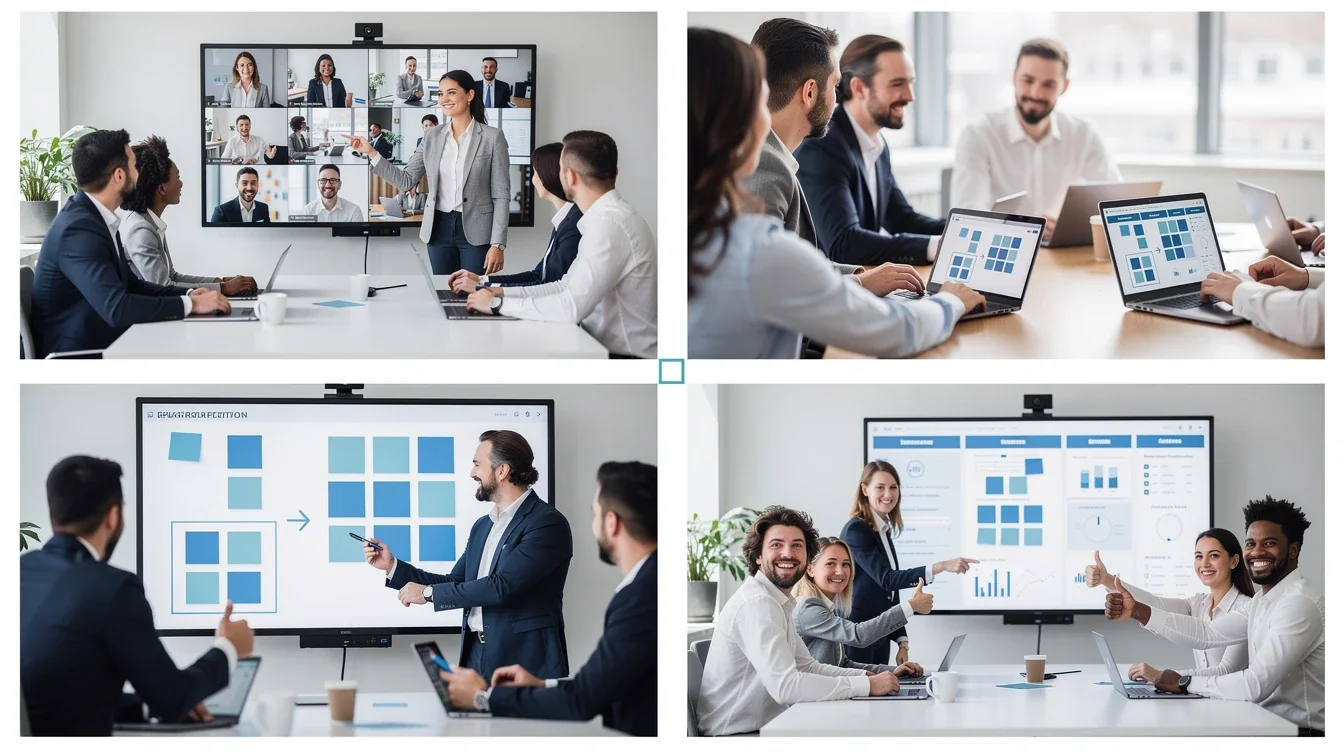
The right tools bridge the gap between in-office and remote participants. At Digital Minds, we’ve experimented with dozens of platforms. The winners are simple, reliable, and intuitive for everyone, everywhere. Use a real-time digital whiteboard for sticky notes and voting. Make sure your video and audio setup is crystal-clear; one weak mic or laggy connection can derail a whole retro.
Don’t forget accessibility: Can everyone log in without a VPN nightmare? Are the tools mobile-friendly for folks on the go? The less friction, the more focus your team will have for what matters—sharing, reflecting, and planning.
Pro tip: Rotate tool selection every few retrospectives. It keeps things fresh and lets your team weigh in on what works best for their workflow.
Crafting Actionable Outcomes
A great retro isn’t about venting; it’s about change. Hybrid teams must be laser-focused on turning conversation into action. Recap key takeaways at the end of each session and assign clear owners to each action item. Use your project management platform so nothing falls through the cracks.
Transparency is critical. Post the retro summary in an always-accessible shared space, and check in on progress at the start of the next retro. Did you close the loop on last sprint’s issues? What’s still outstanding? When teams see their feedback leading to real improvements, engagement skyrockets.
Pro tip: Limit action items to what the team can actually tackle in the next sprint. Small wins build momentum far better than an overwhelming to-do list.
Overcoming Hybrid Team Challenges
Hybrid retros come with unique hurdles: time zones, cultural nuances, and the subtle drift that happens when people aren’t always face-to-face. Address these challenges directly. Rotate meeting times if you span continents, ensuring no one’s always stuck with the late-night slot. Encourage asynchronous feedback for those who can’t attend live—record sessions when appropriate and invite written input on the shared doc.
Watch for patterns: Are remote members contributing less? Are certain issues being raised but never resolved? As a leader or facilitator, it’s your job to surface these trends and dig deeper. Sometimes, a one-on-one follow-up is needed to hear what wasn’t said in the group.
Pro tip: Once a quarter, run a “retro on your retros”—ask the team how the process is working and what could be better. Continuous improvement starts with the process itself.
Building a Culture of Continuous Improvement
Retrospectives are a habit, not a one-off event. For hybrid teams, consistency is your friend. Make retros part of your team’s rhythm—never skip them, even when things get busy. Over time, you’ll build a culture where feedback is normalized and improvement is second nature.
Celebrate wins big and small. Did you shave a day off your deployment time? Did remote developers feel more connected this sprint? Highlight these successes and tie them back to past retrospectives, reinforcing the value of reflection and iteration.
Pro tip: Invite occasional guest facilitators from other teams. Fresh eyes can spark new ideas and prevent your retros from getting stale.
Related Articles
Conclusion
Hybrid teams are the new normal, and retrospectives are their growth engine. The best outcomes happen when you blend structure with flexibility, psychological safety with accountability, and the right tools with a relentless focus on action. At Digital Minds, we know that every hybrid team faces unique challenges—but with these best practices, your retrospectives can become a launchpad for better products, happier teams, and sustainable growth. Set the stage, create space for every voice, and keep improving your process. Your next great insight could be just one retro away.