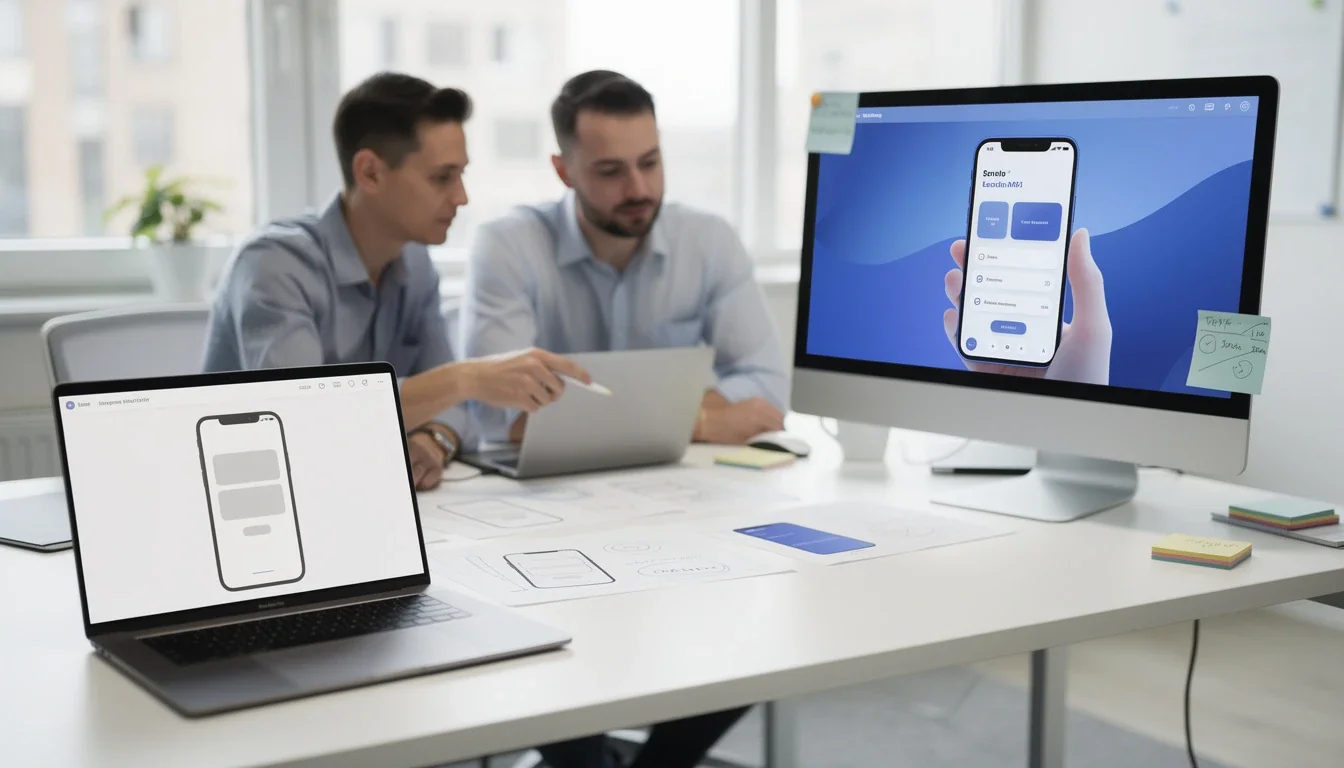
Bringing a new digital product to life is never a straight path. For bold startups and fast-moving businesses, launching a Minimum Viable Product (MVP) is the go-to strategy to validate ideas quickly and cost-effectively. But what happens after your MVP has gained traction? How do you evolve a lean prototype into a robust, scalable solution—without breaking the bank or losing your market edge? At Digital Minds, we’ve helped countless clients navigate this high-stakes transition. Here’s our practical, growth-focused approach to turning MVPs into full-fledged products—while keeping costs, timelines, and risks under control.
Why MVPs Are Only the Beginning

Building an MVP is about speed and focus. It’s the fastest way to test a business concept, collect real user feedback, and prove there’s a market for your solution. You launch with just enough features to solve a core problem, and you do it quickly to minimize investment and risk.
But, the journey doesn’t end at MVP launch. Many teams hit a wall when user demand grows or stakeholders push for more features. Suddenly, your lean MVP needs to support more users, handle edge cases, integrate with other systems, and meet higher expectations for security and performance.
This is the pivotal moment: the MVP was your test drive, but now you need a car that can go the distance.
Pro tip: Treat your MVP as a learning tool, not a finished product. Document feedback, pain points, and feature requests from day one—you’ll thank yourself later.
Key Challenges in Scaling Beyond MVP
Transitioning from MVP to a full-scale product comes with its own set of hurdles. Too often, companies find themselves stuck with technical debt, fragile codebases, or a bloated feature list that drains resources. Here’s what to watch for:
First, there’s the temptation to patch new features onto the MVP’s original code. While this might work in the short term, it often leads to spaghetti code and scalability nightmares. Second, the needs and expectations of your user base will evolve. What worked for early adopters might not satisfy a broader audience.
Third, you’re likely to face new regulatory, reliability, and security requirements as your user base grows or as you target new markets. Finally, costs can spiral if you try to scale on infrastructure or third-party tools that weren’t designed for production workloads.
Pro tip: Before you start scaling, perform a technical audit of your MVP. Identify code that needs refactoring, dependencies that could become bottlenecks, and quick wins to improve performance.
Planning the MVP to Product Roadmap
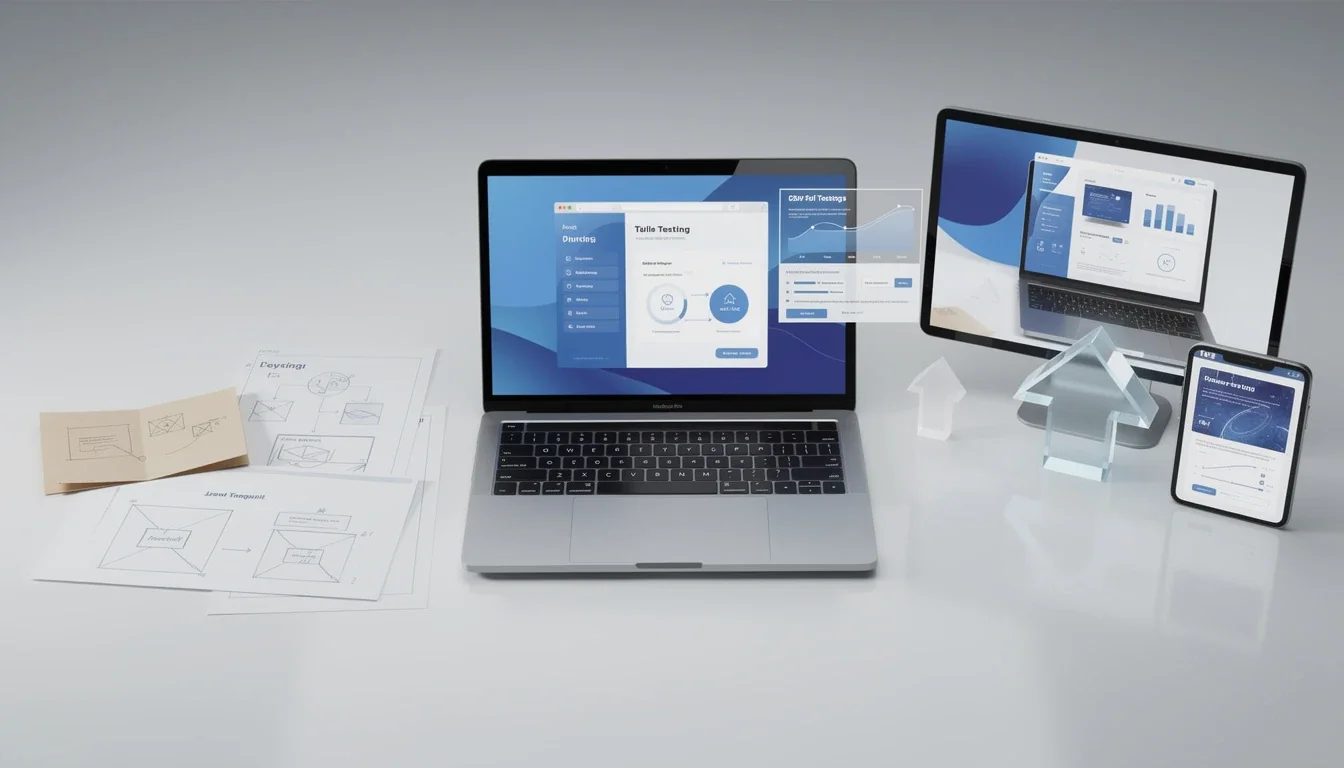
A cost-effective transition isn’t about rebuilding from scratch—it’s about smart planning and staged investment. At Digital Minds, we recommend breaking the transition down into clear, manageable phases.
Start by mapping out your product vision. What’s your long-term goal? What features or integrations are essential for your next stage of growth? Prioritize ruthlessly. Not everything needs to be built now—focus on features that unlock new value or revenue.
Next, define your technical roadmap. This might include migrating to a scalable architecture, adopting modular components, or introducing automated testing. It’s also the time to tackle technical debt and shore up foundations like security, performance, and analytics.
We can’t emphasize enough the importance of involving real users in this process. Use the feedback collected during the MVP phase to validate your assumptions and refine your feature set. Ongoing market research will help you anticipate shifts in demand and stay one step ahead of competitors.
Pro tip: Use a staged rollout approach. Release improvements incrementally, measure results, and adjust course as needed. This minimizes risk and ensures you’re investing where it matters most.
Building for Scale Without Breaking the Bank
Scaling a product doesn’t have to mean ballooning budgets. The key is to build smart, leveraging cost-effective resources and efficient processes at every turn.
This is where reliable overseas development teams can be a game-changer. By partnering with skilled engineers in cost-effective regions, you can keep quality high while managing expenses. However, clear communication, strong project management, and a shared vision are essential to make this model work seamlessly.
On the tech side, consider adopting cloud infrastructure and SaaS tools that scale with your needs. Avoid vendor lock-in by choosing flexible, modular technologies. Automation—especially for testing, deployment, and monitoring—can dramatically reduce manual effort and free up your team to focus on delivering value.
And don’t forget about user support and onboarding. As your product grows, streamlined support processes and easy-to-use documentation become vital for keeping users happy and reducing churn.
Pro tip: Set clear, measurable KPIs for each phase of your transition. Track costs, user engagement, and system performance—then use this data to optimize both your product and your process.
Managing Team Dynamics and Stakeholder Expectations
The MVP-to-product journey isn’t just a technical challenge—it’s a test of communication, alignment, and team culture. As your product evolves, you’ll need to expand your team, shift roles, and ensure everyone is moving in the same direction.
Start by clarifying ownership of key decisions. Who’s responsible for product management, technical leadership, and customer success? Ensuring everyone’s roles are clear prevents confusion and keeps projects moving forward.
Stakeholder management is equally critical. Regularly update investors, executives, and other key players on progress, challenges, and wins. Transparency builds trust and helps secure the buy-in (and budgets) you need to scale.
Finally, invest in continuous learning and improvement. Encourage your team to share lessons learned, experiment with new tools, and celebrate incremental successes along the way.
Pro tip: Hold regular retrospectives after each development cycle. Discuss what worked, what didn’t, and how you can improve to gether—small wins add up to big gains over time.
Marketing and Support: Don’t Leave These for Last
It’s easy to focus all your energy on development, but growth-focused teams know that marketing and user support are just as crucial in the MVP-to-product transition.
Your go-to-market strategy needs to evolve as your product matures. Early adopters may have been forgiving, but mainstream users expect polished onboarding, clear documentation, and responsive support. Start building out these functions early—don’t wait until launch day to think about customer success.
Align your marketing with your product roadmap. As you add new features or target new user segments, update your messaging and outreach accordingly. Make use of cost-effective digital channels—think content marketing, social media, and email—to build buzz and capture feedback.
Finally, treat every user interaction as a learning opportunity. Support tickets and customer questions can reveal gaps in your product or documentation, helping you prioritize improvements.
Pro tip: Create a feedback loop between your support and product teams. This ensures user insights are captured, shared, and acted on quickly—leading to a better product and happier customers.
Related Articles
Conclusion
Transitioning from MVP to a full-scale product is one of the most exciting—and challenging—stages in any digital product’s lifecycle. It’s where customer insights, technical know-how, and business vision come to gether. With a practical, cost-conscious approach, you can build on your MVP’s momentum, launch new features with confidence, and scale your product without losing control of your budget.
At Digital Minds, we believe the best products are built in partnership—with our clients, our global teams, and, most importantly, with real users in mind. If you’re ready to move beyond MVP and grow your product the smart way, let’s talk. The journey from MVP to market leader starts with a single step—and we’re here to walk it with you.