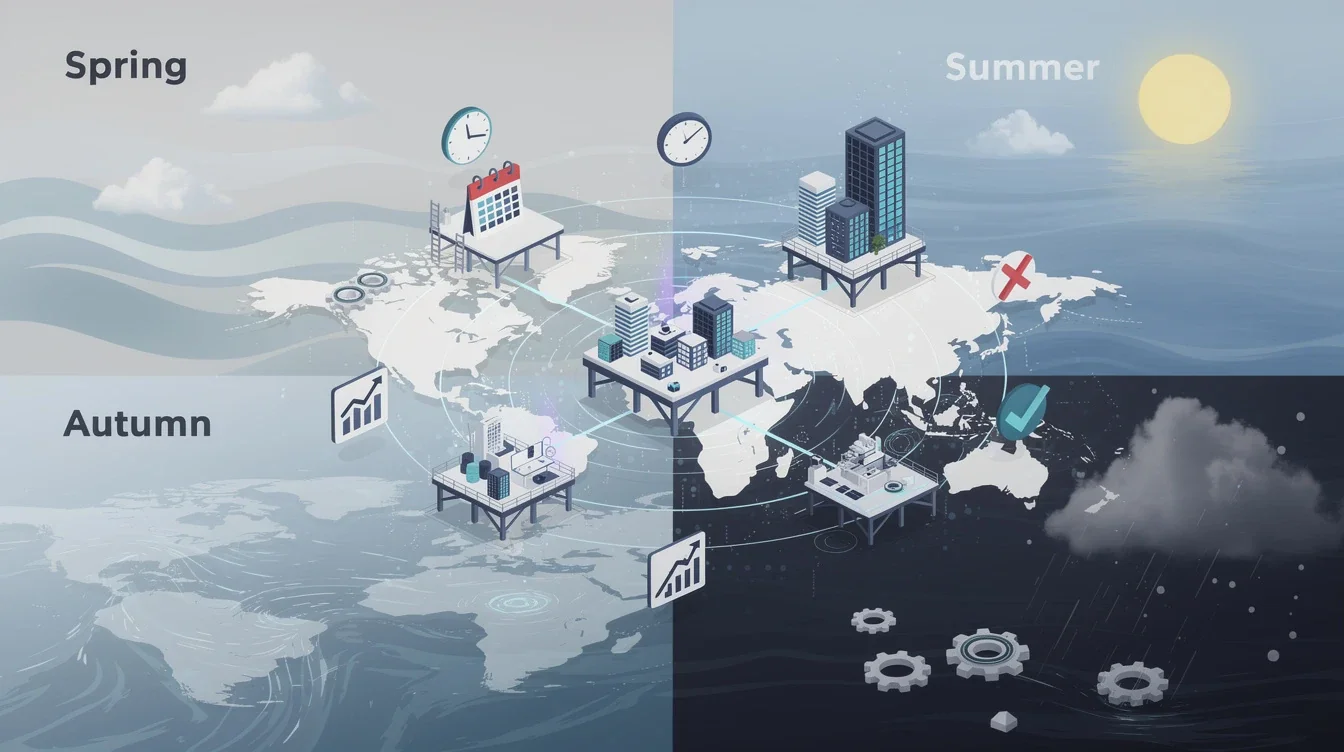
If you’ve ever managed a software project with an offshore team, you know how crucial it is to keep things moving on schedule and on budget. Yet, there’s an often-overlooked variable that can throw a wrench into your best-laid plans: seasonal trends. At Digital Minds, we’ve helped countless US-based startups and enterprises maximize the impact of their offshore development partners. Along the way, we’ve seen how holidays, fiscal cycles, and even weather patterns can influence everything from delivery timelines to team morale. Let’s dig into what you need to know about seasonal trends—and how to use them to your advantage.
Understanding Seasonality in Offshore Markets

Offshore development isn’t just about finding great talent at a competitive rate—it’s about tapping into global resources that operate in very different cultural and economic environments. When we talk about seasonal trends in this context, we’re referring to predictable shifts in workforce availability, productivity, and even pricing that occur throughout the year. These trends are driven by local holidays, school schedules, fiscal years, and cultural events in offshore hubs like India, Eastern Europe, and Latin America.
For example, India’s major festivals like Diwali or China’s Lunar New Year can result in week-long office closures. In Eastern Europe, summer vacations can mean leaner staffing from June through August. Meanwhile, in Latin America, national holidays and local events can disrupt project flow in unexpected ways.
Ignoring these cycles is a recipe for frustration—missed milestones, overworked teams, and unnecessary costs. But if you plan for them, you can maintain momentum and even unlock unique opportunities for growth.
Pro tip: Build a global holiday calendar into your project plan. Ask your offshore partners for their country’s key dates upfront, and revisit this as your team grows.
How Holidays and Vacations Affect Delivery
One of the most direct impacts of seasonality is on project timelines. When key team members are out for extended holidays, velocity drops. Communication lags. Sometimes, even critical bug fixes get delayed because the right engineer is offline.
It’s not just about the actual days off, either. Productivity can slow before and after major breaks as teams wind down or ramp back up. For example, the weeks leading up to Diwali or Christmas can be filled with distractions, while the first week back can involve catching up with overflowing inboxes and backlogs.
For US-based clients, these gaps can be surprising—especially if you’re used to the relatively sparse holiday calendar of the States. The good news is, with transparent communication and a little flexibility, you can smooth out these bumps. At Digital Minds, we encourage our clients to build in buffer time around known holiday periods, and to prioritize deliverables accordingly.
Pro tip: Schedule critical launches or releases for periods of maximum team availability. Avoid go-live dates that coincide with major offshore holidays.
Navigating Fiscal Cycles and Budgeting

Seasonality isn’t just about time off—it can also impact costs and resource allocation. Many offshore markets operate on fiscal calendars that differ from the US. For instance, India’s fiscal year ends in March, and local companies may adjust rates or staff allocations as they close out their books. Similarly, Q4 in Eastern Europe is often a time when developers take unused vacation days, or when contract renegotiations come up.
This can have a ripple effect on your project. Rates may fluctuate, availability of senior talent can temporarily dry up, or you might see increased competition for resources as local companies rush to meet annual goals. For cost-conscious organizations, understanding these cycles is critical to maintaining predictable spend and avoiding last-minute surprises.
At Digital Minds, we help our clients negotiate contracts and resource plans that take these cycles into account. This often means locking in rates and headcounts well in advance, or timing new project kickoffs to avoid periods of high volatility.
Pro tip: Ask your offshore partners about their fiscal year and budgeting cycles. Use this info to anticipate when rates or staffing may change, and plan your negotiations accordingly.
Seasonal Shifts in Productivity and Morale
Weather patterns and school calendars can also impact offshore development teams. In some regions, monsoon season brings power outages and internet disruptions. In others, summer vacation means key team members are juggling childcare or taking extended trips home.
These factors can influence not just productivity, but also team morale. Burnout can spike if teams are asked to push through local holiday seasons without a break. Conversely, morale gets a boost when leadership acknowledges and respects local traditions, even if it means adjusting the project plan.
At Digital Minds, we’ve found that a little empathy goes a long way. When our US-based clients take the time to learn about their offshore team’s seasonal context, they build stronger relationships and get better results over the long term.
Pro tip: Consider rotating work or offering flexible hours during challenging seasons. Small gestures can build huge goodwill and reduce turnover among your offshore team.
Leveraging Seasonality for Strategic Growth
While it’s easy to view seasonal trends as a risk, the reality is they can be a strategic advantage if you plan ahead. For example, if you know your offshore team will be fully staffed and focused during certain months, you can schedule major sprints or launches to coincide with these windows. Conversely, you can use slower periods for non-critical maintenance, documentation, or R&D work.
Seasonal dips in demand can also be a great time to negotiate better rates or expand your team. Offshore partners may be more flexible during off-peak months, allowing you to onboard top talent or experiment with new engagement models at a lower cost.
At Digital Minds, we encourage our clients to treat seasonality as a planning tool, not just a constraint. By aligning your roadmap with offshore cycles, you can maximize productivity, control costs, and build lasting partnerships with your overseas teams.
Pro tip: Use seasonality to your advantage—plan critical work for peak productivity periods, and save lower-priority tasks for slower months.
Best Practices for Managing Seasonal Trends
So, what does it look like to manage seasonal trends proactively? Start with open communication. Make sure your offshore partners know your critical deadlines and business objectives, and ask them to share their seasonal calendars in return. Build buffer time into your project plans, and avoid scheduling key milestones during known holiday periods.
Document everything. A shared calendar, regular check-ins, and clear escalation paths can help you navigate unexpected absences or delays. And above all, stay flexible. No project goes exactly as planned, but the teams that adapt quickly to seasonal challenges always come out ahead.
Finally, remember that offshore development is a partnership. Respecting your team’s local context isn’t just good manners—it’s good business. When your overseas developers feel seen and supported, they’ll go the extra mile for your project.
Pro tip: Conduct a quarterly review of your global delivery schedule. This helps you spot patterns, anticipate future challenges, and refine your processes over time.
Conclusion
Seasonal trends are an unavoidable reality in offshore development, but they don’t have to derail your project or blow your budget. With proactive planning, transparent communication, and a willingness to flex around local customs and cycles, you can turn seasonality into a source of strength for your business. At Digital Minds, we’ve seen firsthand how clients who embrace these rhythms can launch faster, scale smarter, and build stronger offshore partnerships. The world may not run on a single calendar, but with the right approach, your software projects can thrive year-round.