Scaling a startup is rarely a straight line, especially in today’s fast-paced digital landscape. For many ambitious founders and product leaders, the lure of offshore talent isn’t just about cutting costs—it’s about unlocking global expertise, accelerating time-to-market, and building a flexible team that can scale as your business grows. At Digital Minds, we’ve helped countless startups and SMBs navigate this journey, from MVP launch to full-scale product development. But before you jump into building an overseas dream team, you’ll need a solid foundation. Let’s walk through practical steps to prepare your startup for offshore team scalability, ensuring you get the quality, reliability, and growth you’re aiming for.
Defining Your Offshore Readiness

Before considering offshore scaling, it’s vital to assess your startup’s current processes, culture, and structure. Offshore teams thrive when there’s clarity—about what needs to be done, how it’ll be done, and who’s responsible for each piece. Start by mapping out your key workflows, documentation, and communication channels. If your processes exist only in your head or in scattered messages, now’s the time to formalize them.
Ask yourself: Do you have clear product requirements? Are your development and deployment workflows documented and repeatable? Is your codebase organized and accessible? The more structured you are at home, the easier it’ll be to onboard and empower an offshore team.
Pro tip: Create a “starter pack” for new team members, including technical documentation, onboarding checklists, and a list of key contacts. This small step saves hours (and headaches) down the road.
Building Reliable Communication Frameworks
The biggest barrier to offshore success isn’t time zones or even language—it’s miscommunication. Startups move fast, but speed without alignment is risky. To scale effectively, you’ll need to standardize how information flows between your onshore and offshore teams.
Establish regular check-ins, sprint reviews, and retrospectives. Tools like Slack, Jira, and Notion are great, but they’re only as effective as the habits behind them. Set clear expectations for updates, deadlines, and escalation paths. Encourage over-communication, especially in the early days. And don’t underestimate the power of video calls—they help build trust and break down cultural barriers.
Pro tip: Appoint a “communication champion” on each side (onshore and offshore) to facilitate feedback, catch misunderstandings early, and keep everyone connected.
Designing for Modular Growth
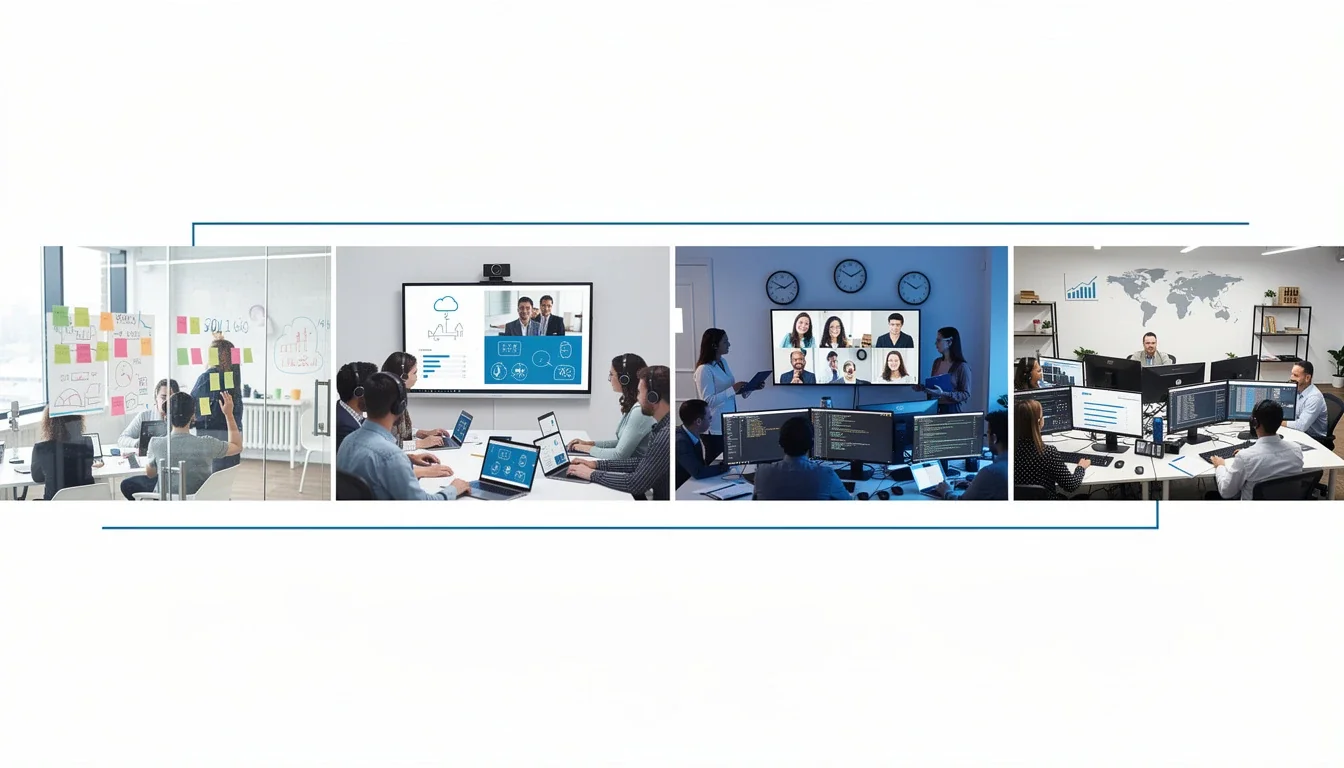
One of the keys to scaling with offshore teams is modularity: designing your product, processes, and teams so that growth is additive—not chaotic. Avoid creating silos where only one person understands a critical system. Instead, break your product roadmap into well-defined modules or components that can be tackled by small, focused teams.
This approach not only makes it easier to assign work to offshore partners but also reduces dependencies and bottlenecks. If your next sprint depends on a single point of failure, you’re setting your team up for frustration. Modular design empowers multiple teams (across time zones) to move in parallel and reduces onboarding friction for new hires.
Pro tip: Use architectural diagrams and workflow charts to visualize dependencies—share these widely and revisit them as your team grows.
Navigating Cultural and Operational Differences
Offshore teams bring diverse perspectives, but they also introduce new cultural dynamics. What motivates your local team may not resonate overseas. Take time to learn about your offshore team’s work culture, holidays, and communication norms. Celebrate wins to gether, show appreciation, and foster an environment where everyone feels valued.
Operationally, be mindful of overlapping work hours. While 24/7 productivity sounds appealing, burnout is real. Set realistic expectations around availability and response times. And remember: trust is built through consistency. Deliver on your promises, pay on time, and honor agreements.
Pro tip: Host occasional “virtual coffee hours” or team-building sessions—these informal touchpoints go a long way in bridging the gap between cultures.
Scaling Securely and Sustainably
As your offshore team grows, so do your security and compliance responsibilities. Protecting your IP, customer data, and business processes is non-negotiable. Invest in secure code repositories, enforce access controls, and conduct regular security audits. Make sure your offshore partners are clear on your data privacy policies and industry compliance requirements.
Sustainability also means thinking beyond short-term wins. Don’t fall into the trap of treating your offshore team as a disposable resource. Prioritize professional development, offer clear career paths, and involve them in roadmap discussions. A happy, stable team is your best insurance against turnover and project delays.
Pro tip: Set up quarterly reviews—not just for performance, but also for process health and security posture. Use these as learning opportunities for both your onshore and offshore teams.
Measuring Success and Iterating
Scaling isn’t a one-time event—it’s a journey of continuous improvement. The most successful startups treat their offshore engagement as a living system, constantly measuring, learning, and adjusting. Define clear KPIs tied to both business outcomes (e.g., time-to-market, feature velocity, user growth) and team health (e.g., retention, satisfaction, code quality).
Solicit feedback from both sides frequently. What’s working? What’s not? Where are the friction points? Use retrospectives not just to fix issues, but to celebrate progress and reinforce your shared mission.
Pro tip: Track onboarding timelines for new offshore hires. The faster you can integrate talent, the more scalable your process truly is.
Conclusion
Offshore team scalability is more than a cost-saving tactic—it’s a strategic lever for startups that want to punch above their weight. With clear processes, robust communication, modular design, cultural empathy, and a focus on security and sustainability, startups can unlock the full potential of global talent. At Digital Minds, we believe the best offshore partnerships are built on trust, transparency, and a shared commitment to growth. Prepare thoughtfully, iterate relentlessly, and your startup will be ready to scale—wherever the world takes you.